Fit & fabrics
Comparing sizes across two brands
Use measurements and garment shape instead of treating the label as a shared standard.
Clarify what the chart measures
A size chart may describe the body it is intended to fit or the garment itself. Those numbers are not interchangeable. A chest measurement for the wearer needs wearing room in the shirt, while a flat shirt width is often only half of a circumference. Read the chart’s method before comparing two brands.
Check units and the exact product category. A brand may use different blocks for tailoring, casual shirts and knitwear. Even the same letter size can describe several intended silhouettes. Choosing medium everywhere because one medium fits well is a shortcut that ignores those differences.
Measure a useful reference
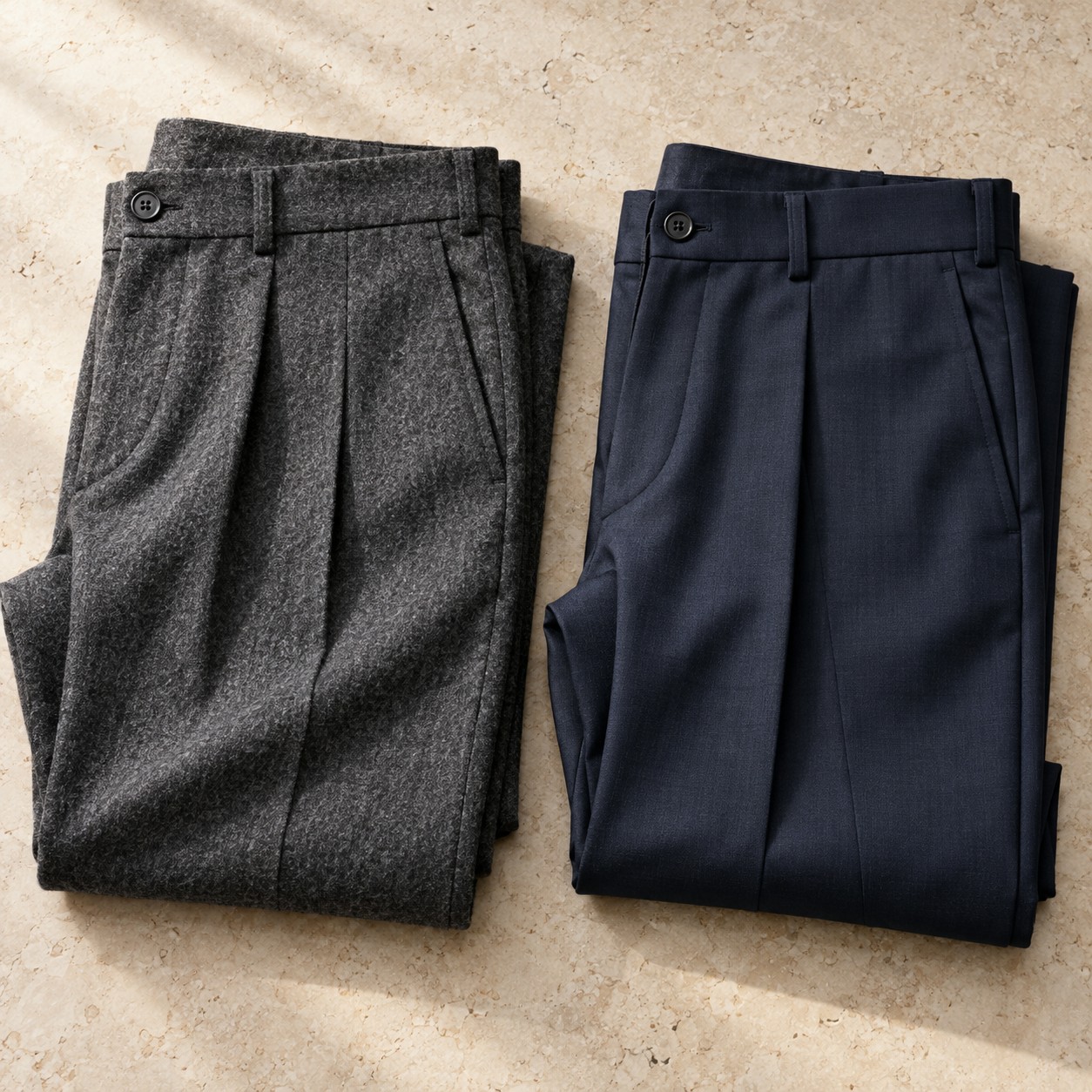
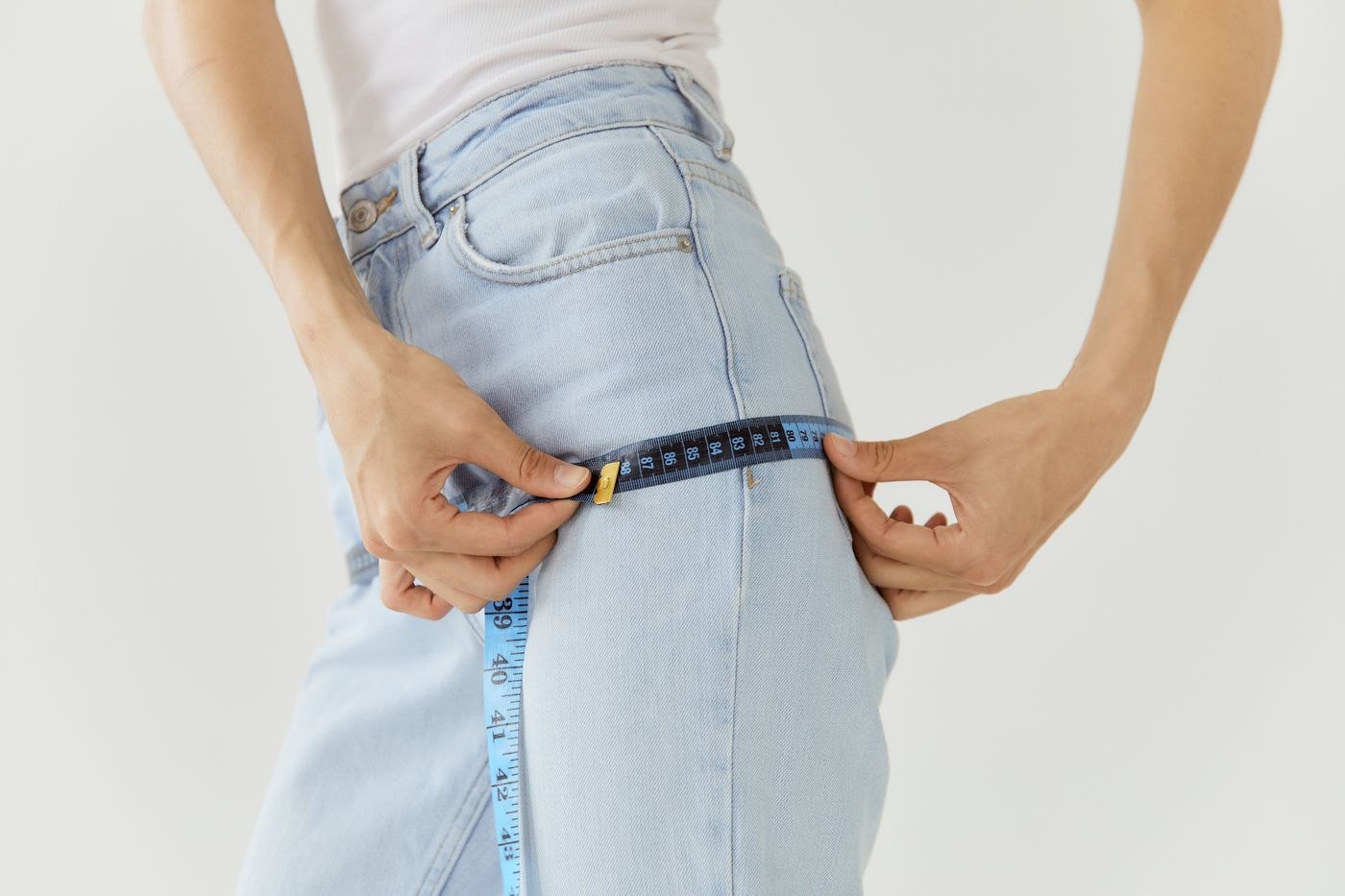
Choose a similar garment that fits the way you want. Lay it flat without stretching and measure using the retailer’s stated method. For a shirt, chest width, shoulder, sleeve and back length answer different questions. For trousers, waist, rise, thigh and inside leg can reveal why an apparently equivalent size feels different.
Do not compare a washed favourite with a new garment as if its dimensions were unchanged since purchase. Note whether the reference has stretched, shrunk or been altered. It can still be useful, but you are matching its present fit rather than reconstructing the original size label.
Work through a conflicting set of numbers
Imagine that Brand A's shirt matches your preferred chest width but is longer in the sleeve, while Brand B matches the sleeve but is tighter across the body. Neither is automatically the correct size. Check whether a sleeve-length option exists for the first shirt or a roomier cut for the second. Comparing two single sizes can conceal alternatives within each range.
Keep a short table for your own use with the reference garment, the measuring method and the dimensions that matter. Record a range you find comfortable rather than pretending that one millimetre separates a perfect fit from a failure. Fabrics and construction affect how the same measurement feels. A structured woven shirt and a soft knit are not interchangeable test objects.
When the chart gives only body measurements, do not invent the garment's ease. Ask for finished measurements if needed. A customer-service answer that the fit is regular is less useful than a measured shoulder or chest, but you can explain the particular problem you are trying to avoid. This often produces a more relevant answer than a general question about whether a brand runs large.
Identify the measurement that causes the problem
If the chest matches but the shoulders are too broad, simply changing the letter size may not help. If trousers fit the waist but pull through the thigh, seek a different cut. Prioritise the dimensions that are difficult to alter, and ask a tailor about changes rather than assuming all mismatches are easily fixable.
When measurements are missing, request them with the method specified. Keep any purchase within a return arrangement you understand, and try it on carefully with intended layers before removing labels. Record the successful product and cut, not just the brand and size. This creates a useful personal reference for later shopping while leaving room for brands to change patterns and for your preferences to change too.