Fit & fabrics
Checking fabric transparency in daylight
Test coverage in the conditions where the garment will be worn.
Changing-room light is only one view
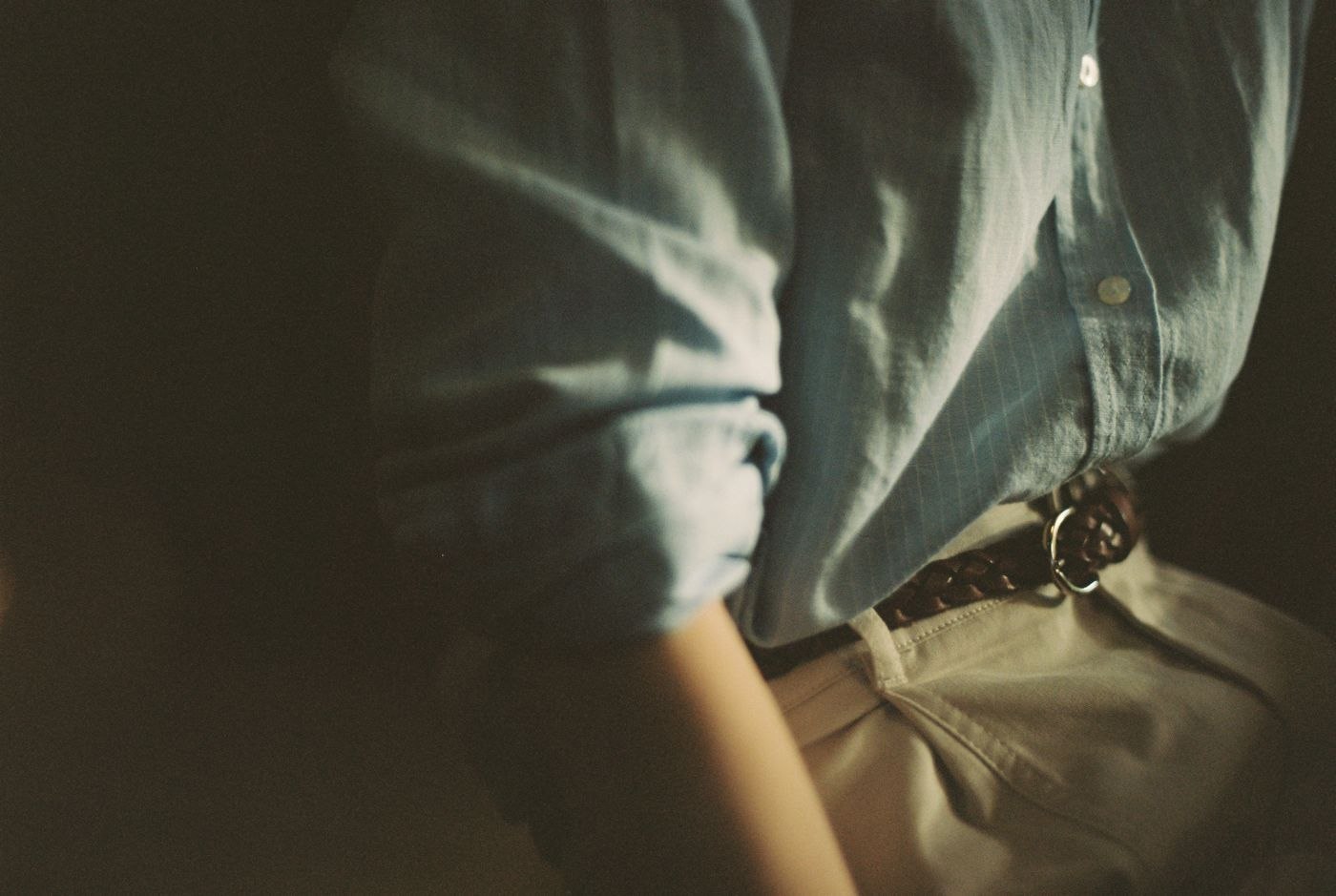
A pale shirt can look opaque under dim warm lighting and reveal a waistband near a bright window. Before deciding, look at the garment in ordinary daylight when possible. Avoid making the test solely against intense backlighting that does not resemble its everyday use, but do not rely on a flattering dark corner either.
Check front, side and areas where the cloth stretches. A chest or thigh under tension can become more revealing than a loose panel of the same fabric. If transparency appears only at strained points, fit may be part of the issue rather than the material alone.
Use the intended layers
Wear the underwear or undershirt you expect to use. Strong colour contrast can show through even a reasonably substantial pale fabric. Compare a less contrasting option if it suits you, without assuming that white underneath always disappears beneath white outerwear.
Look for outlines as well as colour. Thick seams, labels and a waistband can create visible edges. A second layer may reduce one problem while adding bulk or heat, so consider the whole day. If the garment is intended to be worn on its own, do not accept a solution that requires a layer you will dislike using.
Check the parts that overlap
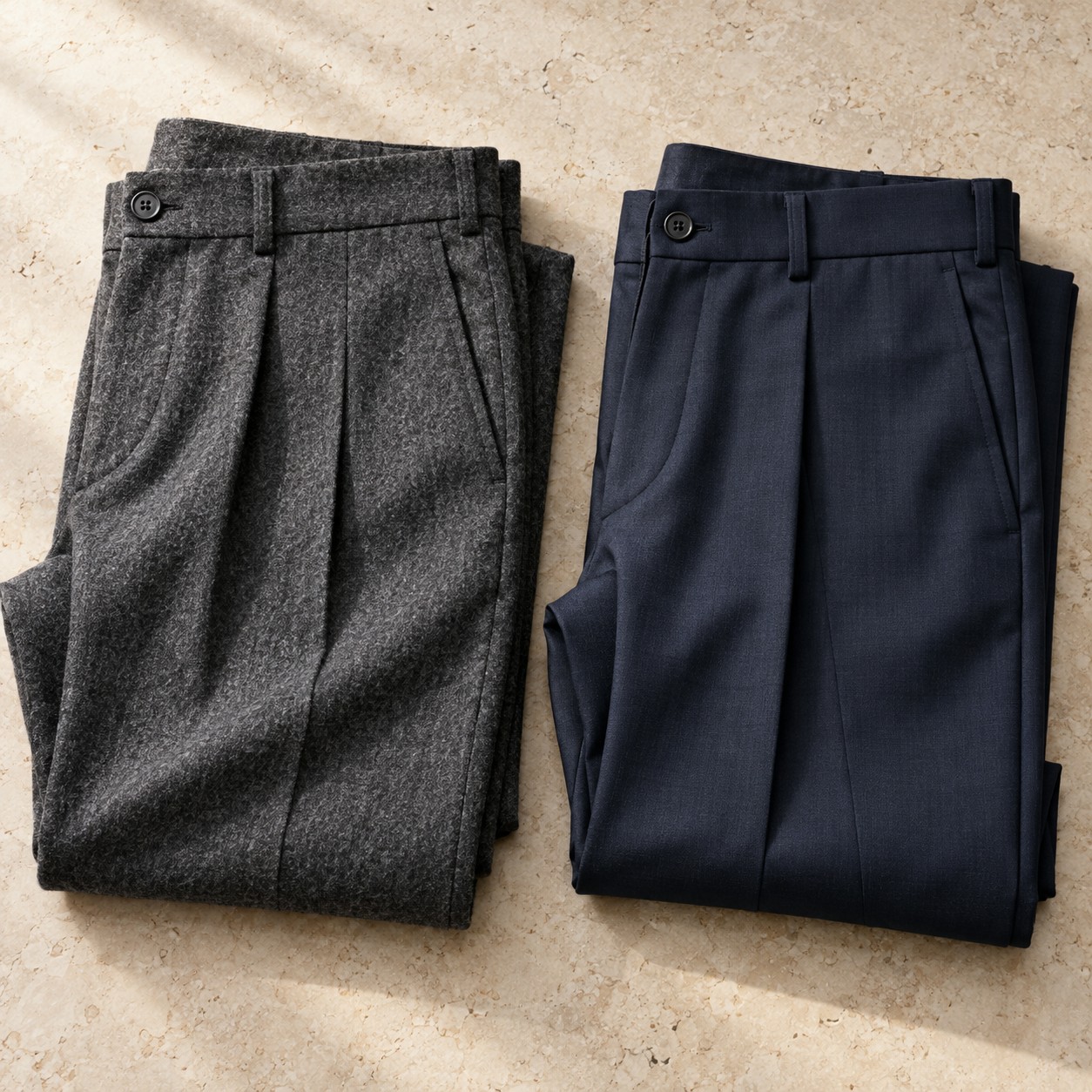
Pockets can create a visible map beneath pale trousers even when the rest of the fabric offers enough coverage. Look at the difference between the pocket bag and the single layer beside it. A clear rectangular outline is not necessarily solved by changing underwear. You may prefer another colour, a different pocket construction or cloth with more coverage.
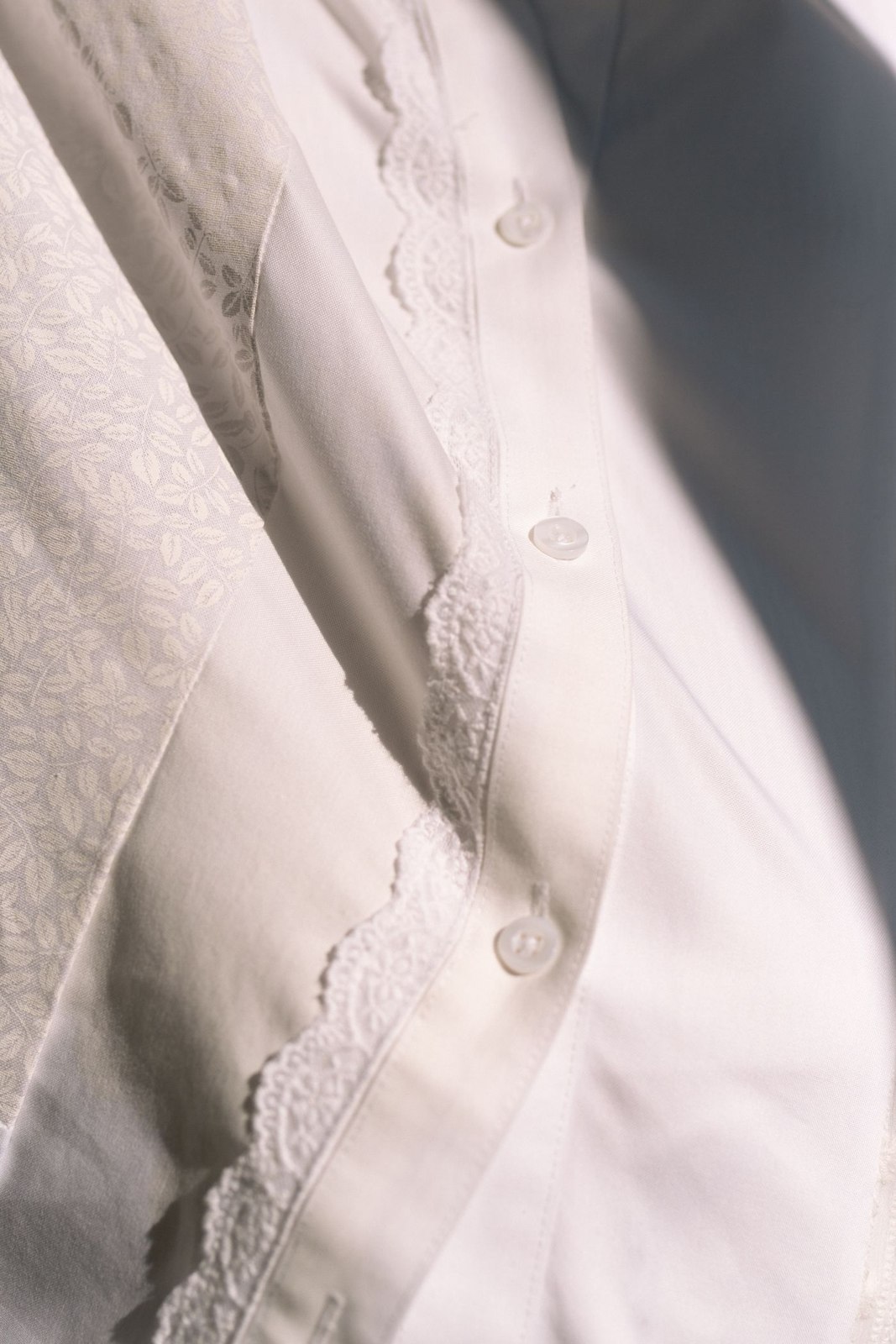
On shirts, compare the double thickness of the button placket with the chest panels. Some contrast is normal, but decide whether it suits the intended setting. Prints can distract the eye without actually making the cloth less transparent, so repeat the movement and light test rather than treating a pattern as proof of coverage.
For remote shopping, ask for a photograph in ordinary natural light and read the return conditions. Product images may use backing, strategic lighting or layers that are not obvious. Do not accuse the seller of misrepresentation simply because a home result differs; first compare the conditions. What matters is whether the garment works in your own normal surroundings, with a comfortable amount of layering.
Move beyond the flat fabric test
Holding the material against a hand can offer a clue, but it does not reproduce the fit on the body. Sit, bend and reach normally. For trousers, check pockets and the seat with a mirror or a trusted photograph taken in ordinary conditions. Do not judge only the front while standing still.
There is no universal level of opacity every garment must meet. A deliberately sheer overshirt has a different purpose from office trousers. Decide what coverage you want and whether the garment supplies it without constant adjustments. If you need more coverage, compare another fabric density or colour rather than assuming a much heavier garment is the only answer. Before removing tags, repeat the check at home within the retailer’s return conditions; it is easier to change the choice then than to spend each wear avoiding light.