Underwear & leisure
Sleepwear fabrics for personal comfort
Use your own preferences about texture, coverage and care to compare nightwear.
A fibre name is only the beginning
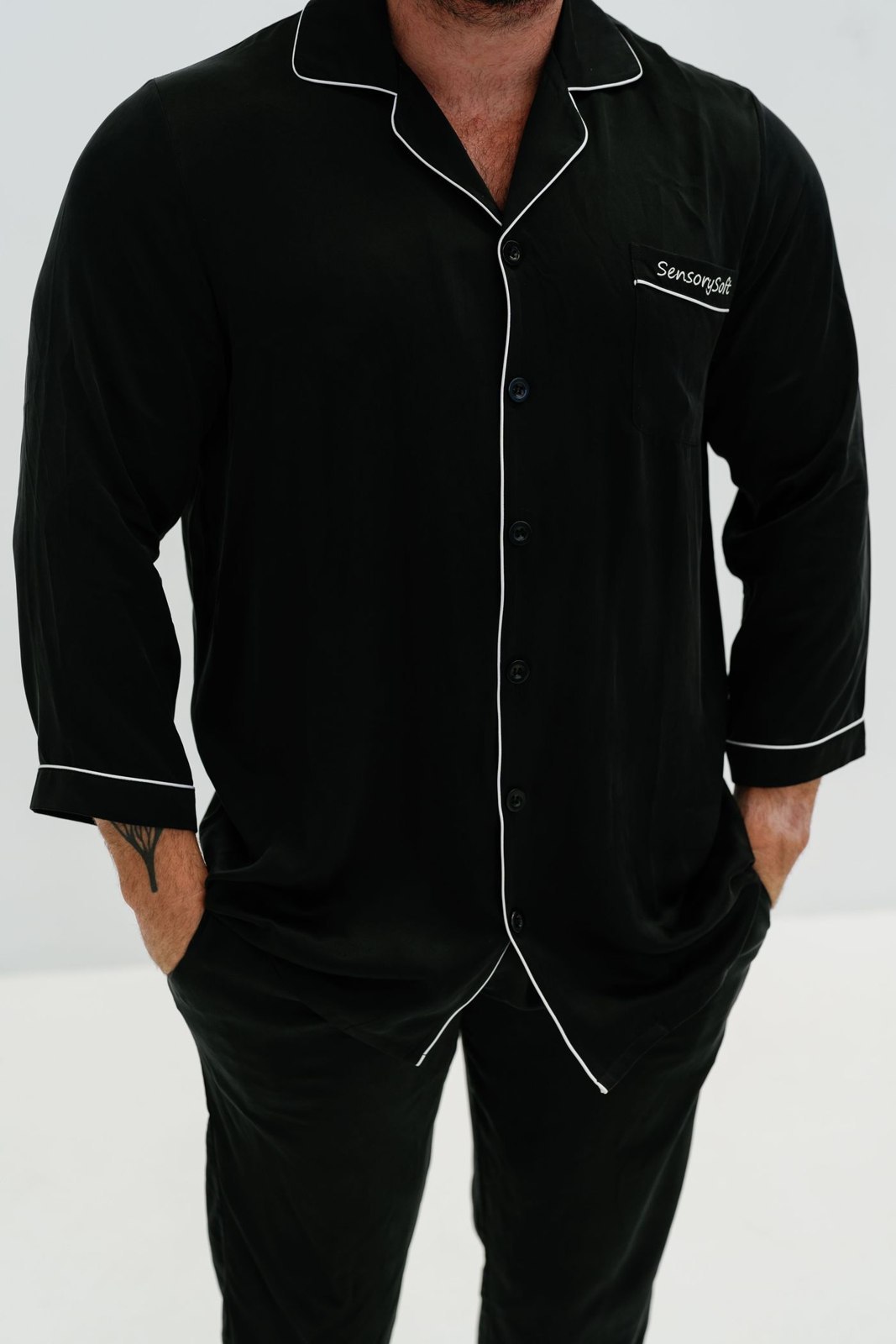
Two pairs of cotton pyjamas can feel very different. A smooth woven fabric, a soft jersey and a brushed surface do not behave identically merely because their labels share a fibre name. Handle the actual garment when possible and notice whether you prefer a cool, smooth first touch or a softer, more substantial surface. Neither preference needs to become a universal rule about what everyone should sleep in.
Thickness also matters. A fine top and a heavier version of the same material offer different amounts of coverage and bulk beneath bedding. Compare the garment with the room and bedding you normally use rather than choosing solely by a seasonal product name. If you often change between rooms or travel, separate tops and bottoms may be easier to adjust than buying several complete matching sets.
Check the parts you will feel
Turn the garment inside out to examine seams, labels and the waistband. A fabric can feel pleasant in your hand while a seam placement proves distracting when you lie down. Buttons and pockets are equally personal choices. Avoid assuming that a more elaborate garment is more comfortable; an uncomplicated T-shirt and loose shorts may suit you better than a traditional buttoned set.
Allow enough room to bend your knees and move your arms without pulling the garment tight. More fabric is not always the answer, because excessive width or length can gather beneath you. Try the movements that matter during an appropriate fitting, while respecting the retailer's return and hygiene conditions. The aim is comfortable movement, not the appearance of a particular fit while standing perfectly still.
Consider your laundering routine before purchasing a fabric that needs unfamiliar care. Read the actual label rather than assuming that all garments made from one fibre can be treated alike. If you do not want a separate wash routine for nightwear, choose pieces whose instructions fit the habits you can reliably maintain. Convenience is a legitimate part of comfort when it keeps useful clothes available.
Change one variable
When replacing something unsatisfactory, identify whether the problem is texture, shape, fastening or thickness. Try changing that feature first. Buying an entirely different style makes it harder to understand what helped. Keep any satisfactory pieces in rotation and avoid treating sleepwear as a remedy for persistent sleep or skin problems; those need appropriate individual advice. Clothing can meet your preferences without carrying promises that its construction alone cannot support.