Underwear & leisure
Boxer briefs: choosing leg length and waistband
Compare the way the garment behaves under your trousers, not only the size printed on its label.
Begin with a pair that nearly works
If you already own boxer briefs that are comfortable for part of the day, identify what changes later. Does the leg move upward, the waistband fold, or the fabric collect beneath the seat? Those are different problems. Buying the same design one size smaller may not solve them and can introduce pressure elsewhere. A useful comparison starts with a specific observation rather than a general search for a better brand.
Check the retailer's size guide and measurement method. Letter sizes are not interchangeable across every range. If your measurement falls between sizes, read any fit guidance for that particular cut. Do not assume that a close-fitting garment should be purchased smaller than the recommended size. The aim is stable comfort, not a test of how much the fabric can stretch.
Leg length is a construction choice
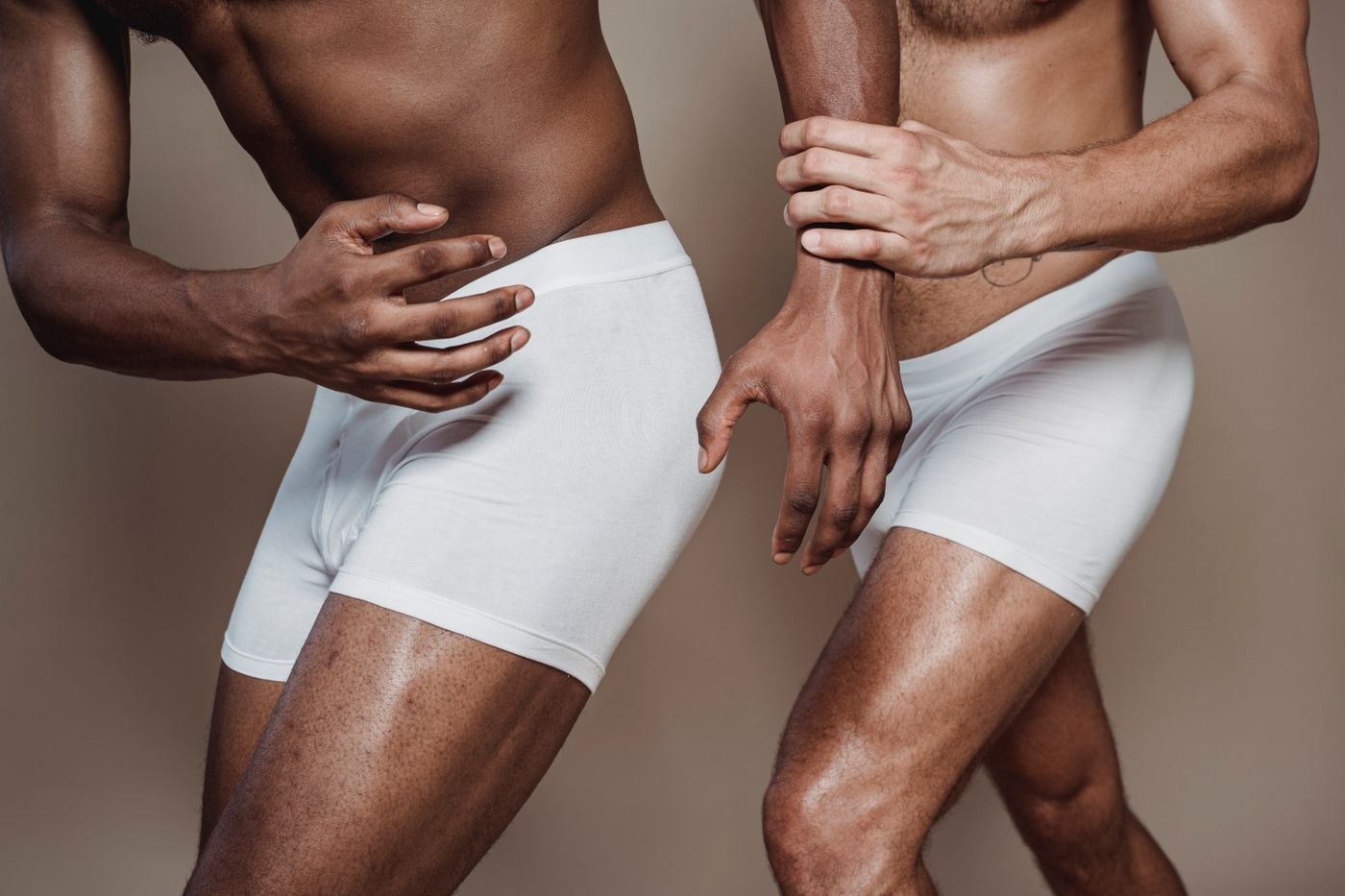
A shorter leg leaves less fabric beneath the trouser, but its edge may sit at a point where movement pushes it upward. A longer leg changes that contact point and can feel more secure for some wearers. Neither option guarantees that it will stay in place. The shape of the leg opening, fabric recovery and your own proportions all influence the result.
Compare the leg while standing and seated. If the edge creates a pronounced ridge under a light trouser, another finish or a different length may suit that outfit better. A longer leg is not necessarily visible under every trouser, and a shorter one is not automatically smoother. Test with the clothes you actually wear rather than judging underwear alone.
The waistband should not do all the work
A broad waistband may spread its presence differently from a narrow one, but width is not proof of comfort. Notice the inner surface and any seam where it joins the body. A band that folds repeatedly can indicate a mismatch between the garment and the way it sits on you. Pulling it higher throughout the day is not a durable solution.
Check the rise as well. If the underwear sits naturally at one height and your trousers press it to another, the combination may be uncomfortable even when each item seems suitable separately. Avoid choosing solely by the position of a logo in a product photograph. Your own waistband and seated posture create the conditions that matter.
Try a small purchase first
Before replacing a whole drawer, buy the smallest sensible quantity and follow the retailer's hygiene and return rules. Wear and launder the pair according to its instructions before committing to several more. The first impression of soft fabric does not tell you how the seams, waistband and leg openings will feel after an ordinary day or repeated care.
Read the composition, but do not expect one fibre name to predict the entire experience. Fabric weight, knit and finishing also matter. Avoid turning personal comfort into a claim that one material is universally healthier or better for everyone. If a garment causes persistent irritation, stop wearing it and seek appropriate advice rather than treating discomfort as an unavoidable fitting stage.
Once you find a suitable cut, keep a note of the actual model and size, not just the brand. Ranges change, and different models from one company can fit differently. Replace worn pieces according to their condition: loose elastic, damaged seams or fabric that no longer stays where needed are more useful signals than a fixed calendar rule.