Care & storage
Preparing clothes for second-hand resale
Make the condition clear and the measurements useful before writing a listing.
Inspect before deciding how to present it
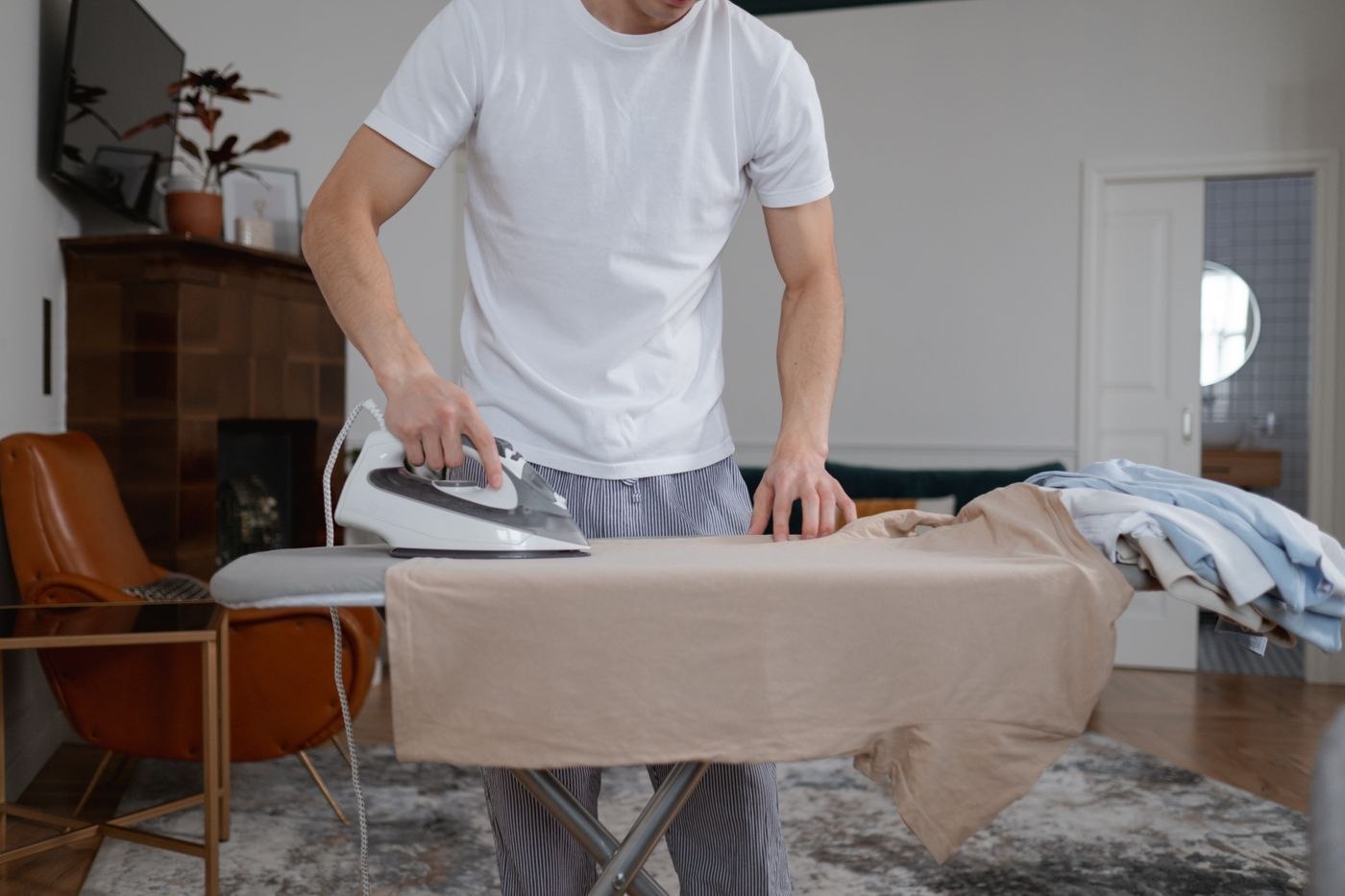
Lay the garment in good light and look beyond the front. Check cuffs, collar, underarms, pocket edges, lining and the seat of trousers. Test closures gently. A small flaw is easier to describe while the garment is in your hands than after a buyer asks why it was not visible in a carefully framed photograph.
Clean according to the care label and allow the item to dry fully. Do not use an unsuitable treatment simply to make it smell newly laundered. Strong fragrance can conceal rather than explain condition and may be unwelcome to the next owner. Remove loose surface debris with a method appropriate to the fabric.
Measure what a buyer can compare
Record the labelled size, but add relevant garment measurements taken consistently on a flat surface. For trousers, waist, rise, inside leg and leg opening can answer different fit questions. Explain whether the waist measurement is taken across the garment or around it; a bare number without the method is ambiguous.
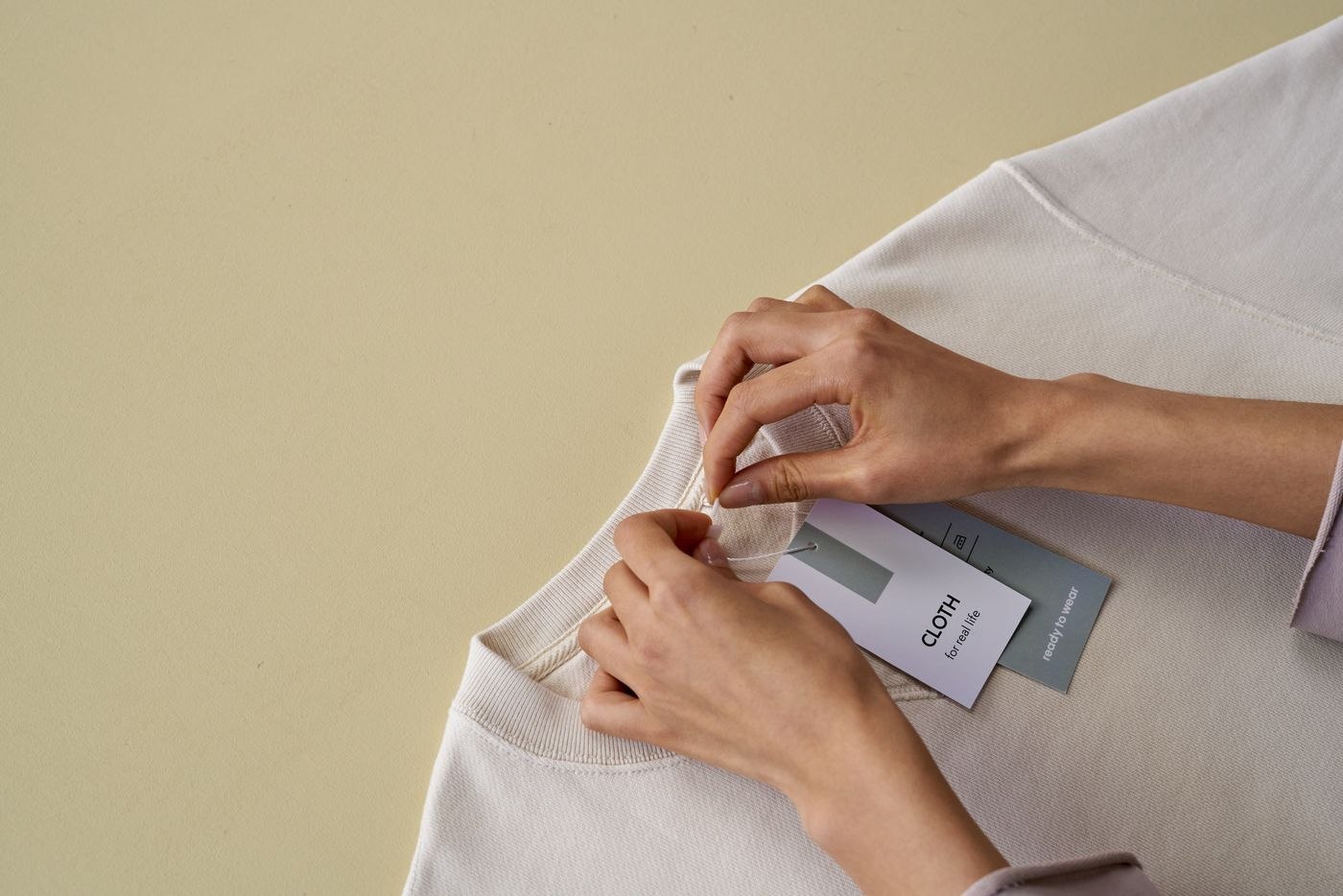
Mention alterations such as a shortened hem or taken-in waist. Do not present the original size chart as the current garment’s dimensions after alteration. If there is uncertainty, say so. Include photographs of the label and care information when useful, without exposing personal details on an added name tag.
Decide what to repair and what to disclose
A loose ordinary button may be worth securing if you can do it competently. A complicated repair should not be disguised as a small tidy-up. If a zip has become unreliable or the lining is torn, obtain a repair estimate or describe the fault clearly. The buyer needs to understand the remaining work, not only see that the front looks presentable.
For a matching suit or coordinated set, photograph the pieces together and separately. Note any difference in wear or colour between them. A jacket used less often than its trousers may remain in a different condition. Do not call both excellent simply because one component is especially clean.
Keep measurements and photographs linked to the exact item. If listing several similar shirts, avoid reusing a label photograph from another one because the sizes appear identical. Small differences in composition, alteration or care can matter. Before packing, check the item against its listing once more and include any promised detachable parts. This final comparison is more useful than adding enthusiastic language to the description.
Photograph the whole item honestly
Use even light and a plain setting that lets the colour and shape remain visible. Show front, back, important details and every disclosed flaw. Avoid filters that change colour or blur wear. A photograph of a similar new product does not show the condition of the item being sold.
Describe the garment in concrete language: fabric composition from the label, closure type, colour as accurately as possible and observed condition. Avoid calling an item unworn if you cannot verify that. Package it clean and dry after the listing is complete, keeping it identifiable so it is not accidentally worn again. Good preparation reduces unanswered questions, but it does not justify promising a fit, lifespan or authenticity that you have not established.