Care & storage
Organising clothes by frequency of use
Put everyday decisions within reach without hiding occasional clothing so thoroughly that it is forgotten.
Observe a normal week
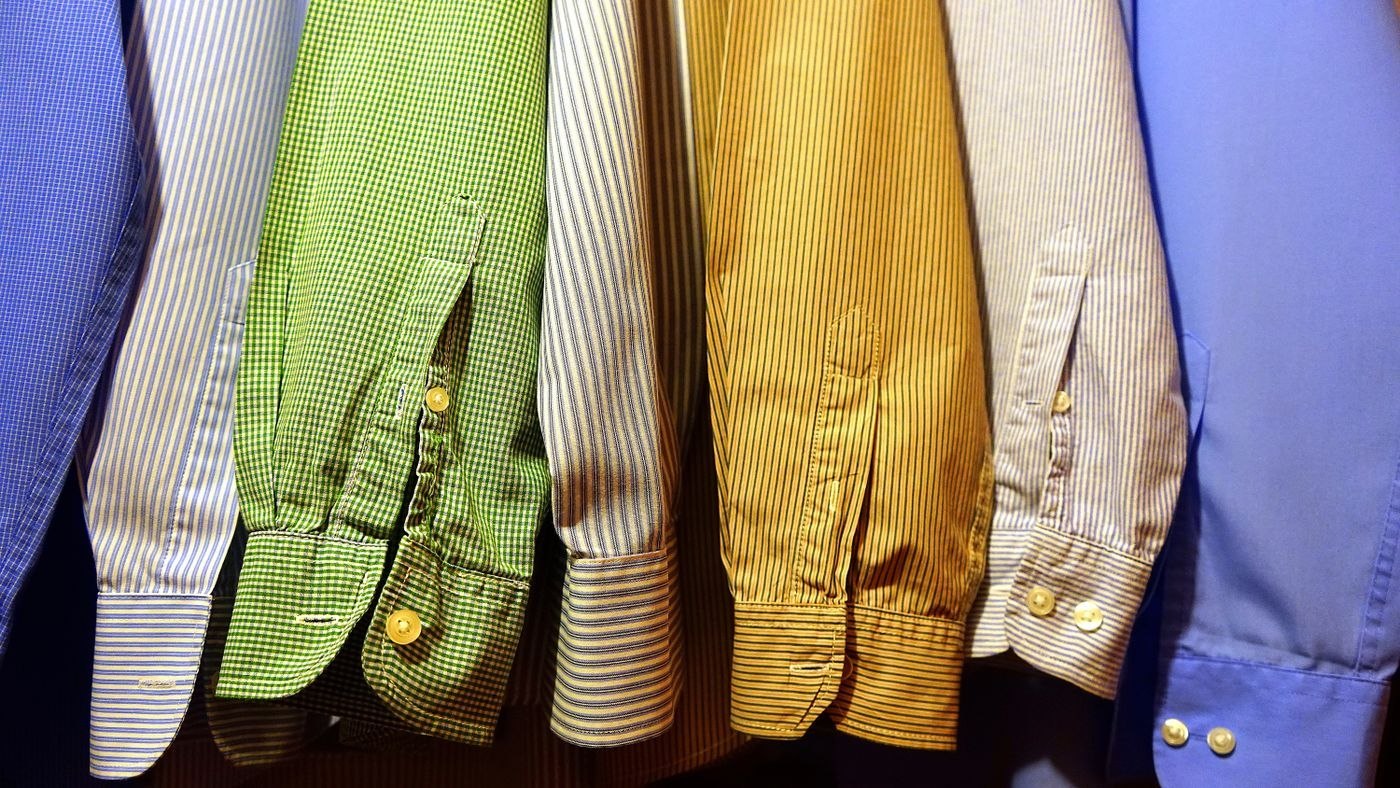
Before buying storage boxes, notice which clothes leave the wardrobe during an ordinary week. Work trousers, a familiar overshirt and everyday socks may need the most accessible positions. A special-event jacket does not need equal space at the front simply because it cost more. Organise around use rather than a photograph of an ideal wardrobe.
Take account of the season and your actual schedule. A coat used daily in winter can move when the weather changes, while a shirt needed for a monthly meeting should remain findable. Frequency is not a permanent ranking of value; it is a way to reduce repeated searching.
Give each type an appropriate place
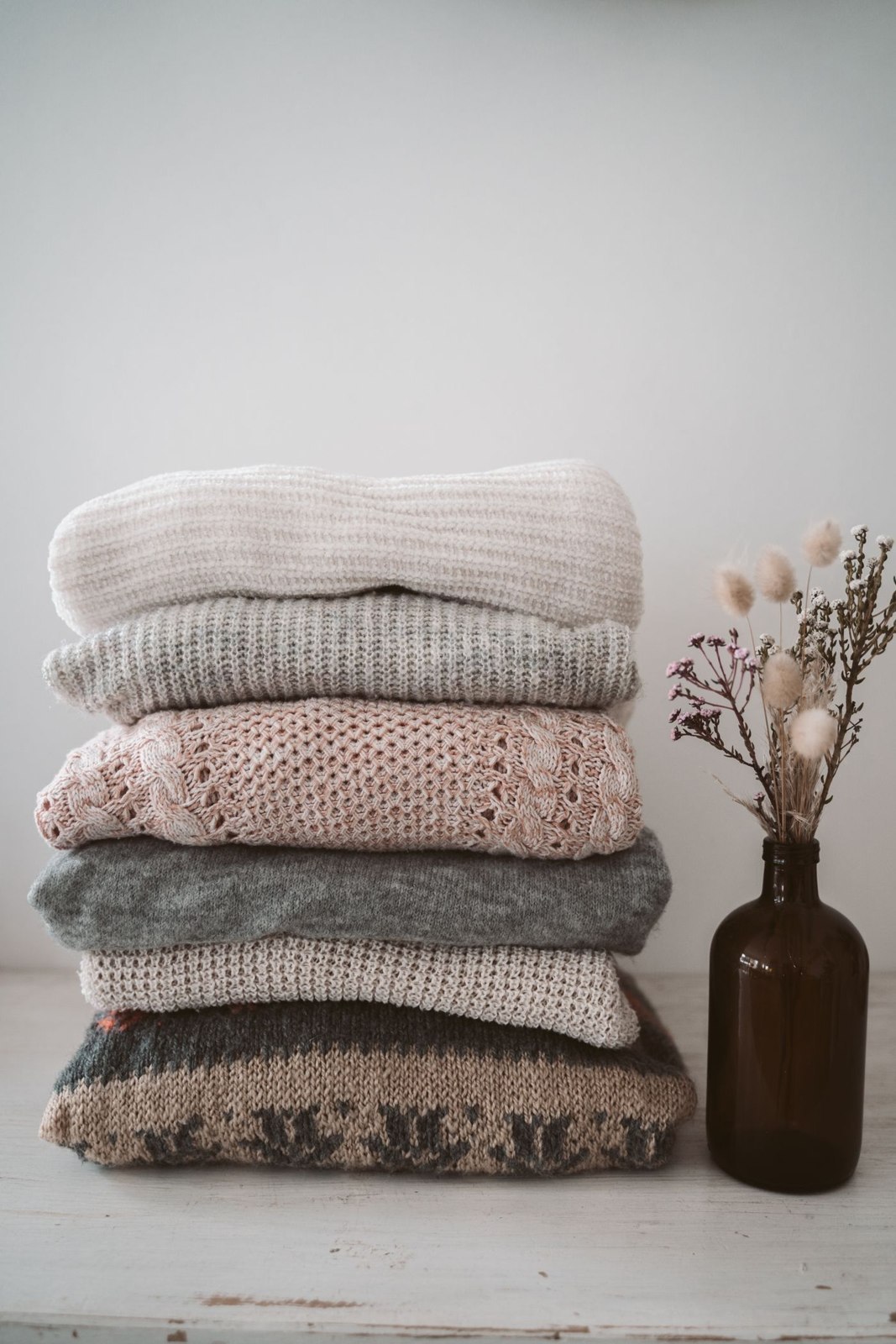
Hang garments that benefit from support and fold pieces better stored flat. Do not solve access by hanging every heavy knit or forcing structured jackets into drawers. Keep a low stack of often-used folded items so retrieving the bottom one does not disturb everything above it.
Small dividers can help separate socks or underwear, but leave enough room to put clean items away easily. If a system requires perfect folding every time, decide whether you will maintain it. Labels are useful for opaque boxes; a plain description such as summer shorts is more helpful than an elaborate inventory that becomes outdated after one laundry day.
Make an occasional-use area
Keep event clothing together with its relevant accessories, provided those items are clean and stored appropriately. Do not tuck a damp belt or recently worn shoes into a closed garment bag. Check occasional pieces before the date they are needed, leaving time for cleaning, fitting or repair.
Create a small separate place for repairs and undecided items. A missing button should not cause a shirt to circulate repeatedly through the usable section. Set a realistic moment to deal with that group; otherwise it becomes a second hidden wardrobe.
After a few weeks, change the positions that caused friction. The point is not to preserve a beautiful arrangement at all costs. A system works when you can find a garment, return it without effort and see enough of what you own to avoid buying a replacement for something already present.