Care & storage
Letting shoes dry between wears
Check the inside as well as the upper before putting the same pair on again.
Dryness is a condition, not a timetable
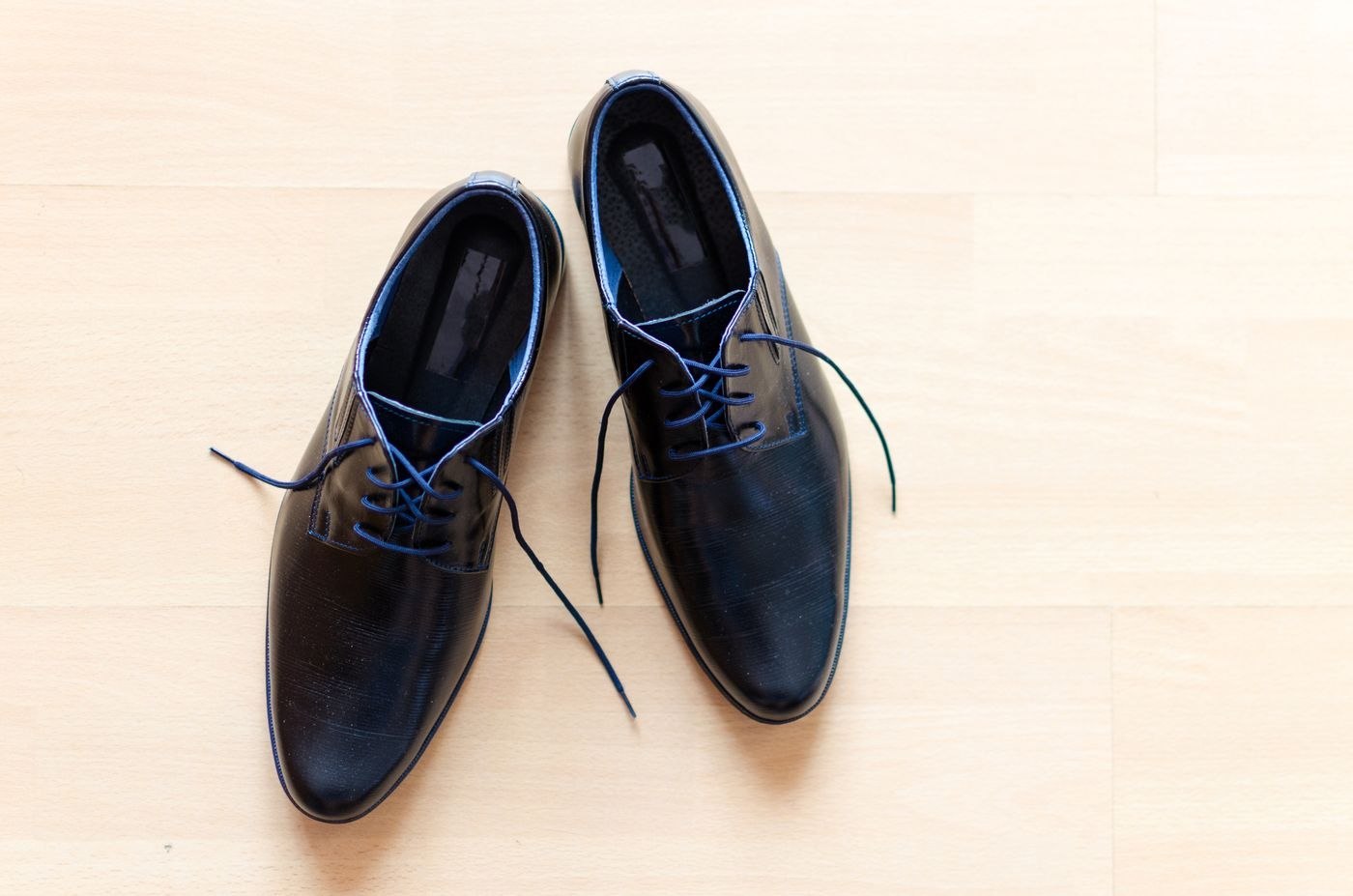
A pair worn on a dry indoor day has a different drying task from shoes soaked on a commute. Material, lining, weather and ventilation all affect the result. A fixed number of hours cannot tell you whether the toe area is still damp. Check the actual shoe rather than treating an overnight rest as an automatic reset.
After taking shoes off, open them enough to allow air to reach inside. Loosen laces where appropriate and remove a removable insole only if the maker permits it. Do not tear out a glued footbed in the name of ventilation. Wipe off surface water using a method suitable for the material.
Give moisture a way out
Place the shoes in a ventilated room away from direct heat. A radiator, hair dryer or hot cupboard may seem convenient but can damage components. Keep the pair out of a closed sports bag while damp. If using paper or a support recommended by the maker, avoid overstuffing, and change wet absorbent material rather than leaving it inside.
A shoe tree can help maintain a suitable shape, but it is not a reason to ignore dampness. Choose one that fits without forcing the upper wider. Different footwear constructions need different handling; a soft trainer does not necessarily want the same rigid support as a structured leather shoe.
Make the next morning easier
Feel the lining and check the deeper areas, not just the exposed tongue. If the pair remains damp, choose another suitable pair when available. This is a reason for a small rotation, not a requirement to own a large collection. An inexpensive dry alternative can be more useful than a third nearly identical dress shoe.
When footwear is repeatedly slow to dry, reconsider where it is kept and whether the daily route calls for a different design. Persistent damage, staining or a separating sole needs assessment rather than more heat. Once dry, clean or condition only as appropriate to the materials and maker’s advice. Put shoes into storage in a dry state, leaving the next use to begin with an inspection rather than a surprise.