Shoes & accessories
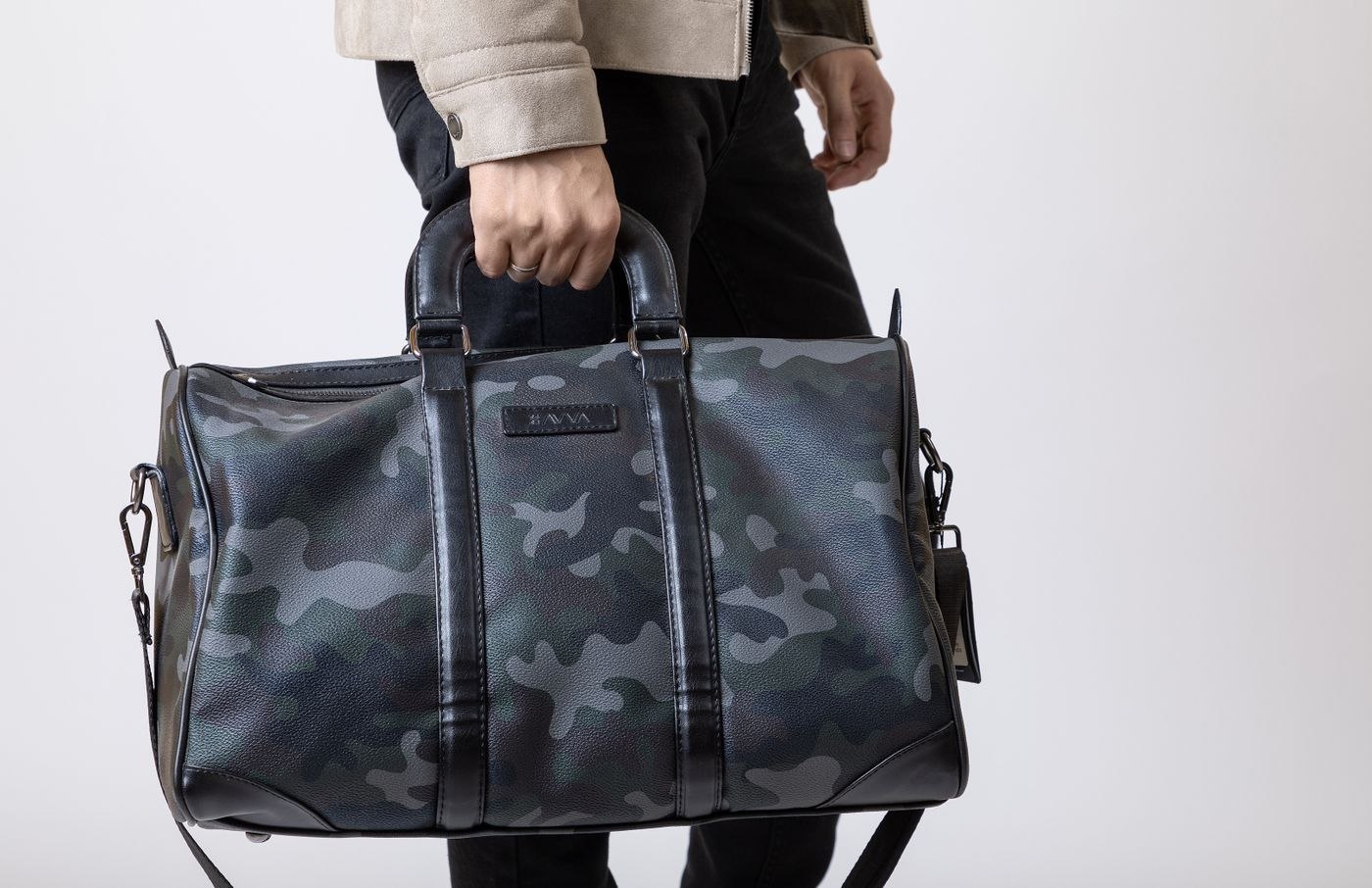
A weekender bag sized for a short trip
Build the packing list first, then choose the bag that carries it without strain.
A weekend is not a fixed volume
Two nights away can mean a change of shirt and underwear, or additional shoes, work equipment and clothing for an event. List the actual requirements before choosing a bag. A product called a weekender does not have a standard capacity that automatically suits your trip. Measure larger rigid items and consider whether shoes need their own space.
Lay out the clothes in the combinations you expect to wear. Sharing one pair of trousers between two tops may reduce the load more than a clever packing accessory. Do not remove necessary items merely to fit a fashionable bag, but avoid packing several alternatives for the same uncertain occasion. A clear plan makes size easier to judge.
Check the opening and carry
A wide opening helps you see and remove clothing without unpacking everything. A narrow top may look neat but make a full bag awkward to use. Test the closure with a realistic load if the retailer permits it. The zip should not be under obvious strain, and the sides should not need to be squeezed into a different shape each time.
Handles and shoulder straps offer different ways to carry the same weight. Try both if available. A strap that is comfortable for a short distance may not be pleasant through a large station. The bag should suit the walking you actually expect to do; choosing a more suitable carrying format is reasonable even if a weekender looks attractive.
If you will fly, check the current baggage allowance with the airline for your ticket and route. Do not rely on a generic cabin-size claim. Measurements can include handles and wheels on some types of luggage, and allowances can change. The bag's marketing name is not evidence that it will be accepted without additional charges.
Think about the room at the other end
The bag is also used after the journey. In a small room, a soft bag that opens widely can make clothing accessible on a luggage rack; a deep narrow shape may require repeated digging. Decide whether you normally unpack or live from the bag for a couple of days. Neither habit is wrong, but it changes which opening and internal layout will be useful.
Consider the shape of the contents rather than capacity alone. A rigid wash bag, shoes and a laptop can leave awkward gaps that soft clothing does not completely fill. Arrange these items before judging whether a larger bag is necessary. A different toiletry container or leaving an unnecessary second pair of shoes at home may make the existing volume work without forcing clothes into tight rolls.
Finally, test the return load with worn clothing separated. It often occupies space differently from a carefully prepared outward pack. If the bag only works with every item in one exact position, the arrangement is fragile. Choose enough room for ordinary repacking and keep the carrying method appropriate to the distance. A short trip can still involve a long walk, and a handsome bag does not make an excessive load disappear.
Separate what needs separating
A shoe pouch can protect clothes from dirty soles, while a small wash bag contains toiletries. These organisers should solve specific problems rather than fill the bag with more containers. Keep liquids appropriately closed and follow the relevant travel rules. Put frequently used items where you can reach them without disturbing a carefully folded shirt.
Leave a little room for the return journey, when clothing may not fold as neatly and you may have acquired an extra item. A bag that only closes under perfect packing conditions can become frustrating. After the trip, empty it completely and allow any damp interior to dry before storing it for the next use.