Shoes & accessories
A leather shoulder bag for the daily essentials
Choose the bag around what you carry, then check how it sits over the clothes you actually wear.
Empty your pockets first
Put your ordinary daily items on a table before looking at bags. A phone, keys, wallet and glasses need much less space than a water bottle, notebook and headphones. A bag bought for an imagined routine often becomes either an oversized pocket or a container that is permanently overfilled. Measure the largest rigid item, including its case, rather than judging capacity from a product photograph.
Consider access as well as volume. If you take a travel card out several times a day, a reachable compartment may matter more than another litre of space. A deep single compartment can be perfectly adequate for a few items, but small objects will collect at the bottom. Test the opening with one hand while the bag is on your shoulder.
Make the strap part of the fitting
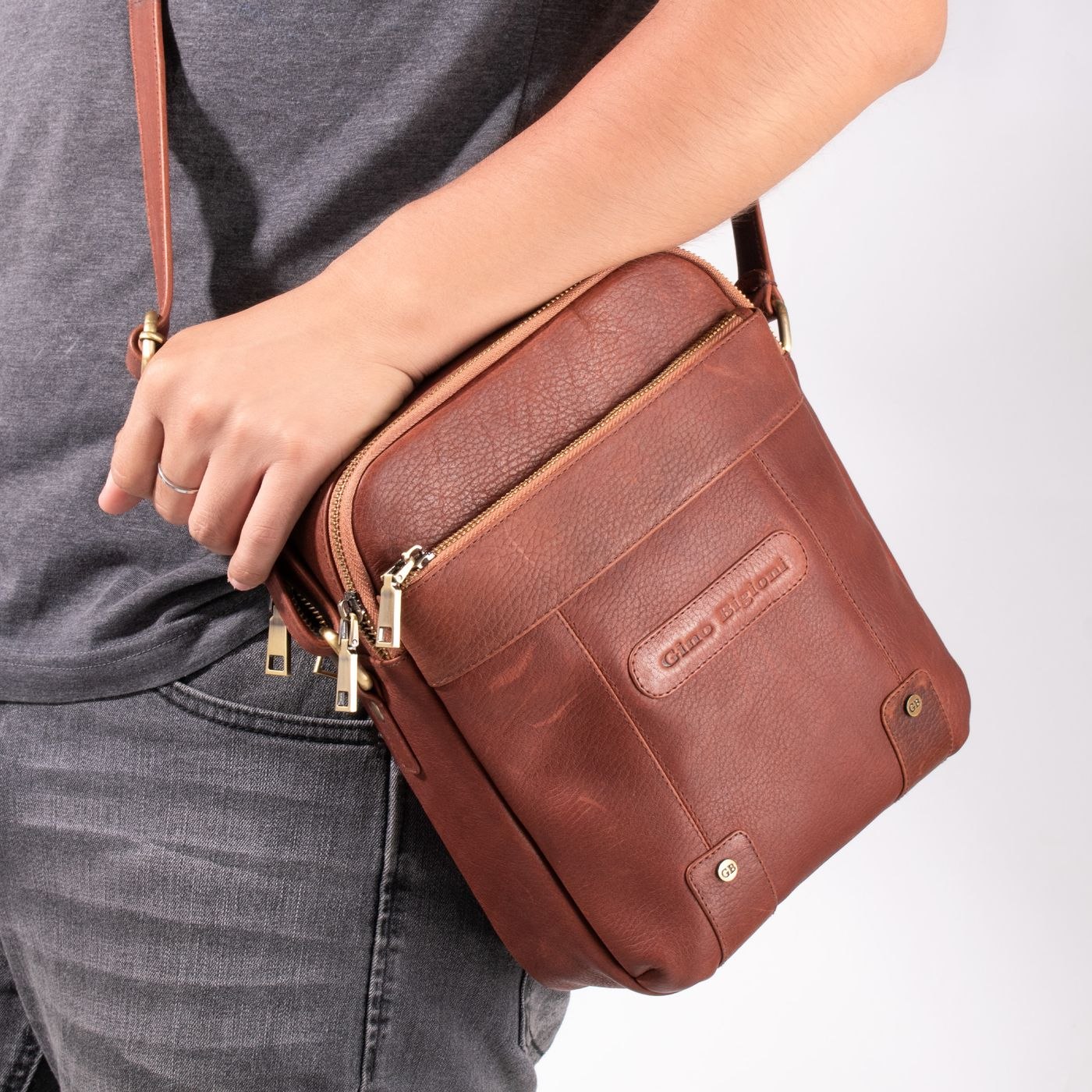
A shoulder bag should be tried over your usual outer layer. A strap that feels comfortable over a T-shirt may become short over a coat. Check both ends of its adjustment range and notice where the buckle lands. It should not dig into the top of your shoulder or sit exactly where an outerwear seam already creates pressure.
For cross-body wear, walk a few steps and bend to pick something up. If the bag swings into your arm or slides around your back, adjusting its height may help. A wider strap can distribute a load differently, but it does not make an overfilled bag weightless. Carry your actual essentials during the test when the retailer permits it.
Choose the finish with your wardrobe in mind
Smooth dark leather has a different presence from soft grained tan leather. Neither has to match every pair of shoes. A dark brown bag can sit comfortably with navy, grey and olive clothing; a black bag can provide a clear edge against a lighter coat. Start with the clothes you wear most often rather than buying a second accessory simply to create a matching set.
Examine the places you will touch: the zip pull, strap attachment and edge of the opening. Look for even stitching and hardware that moves without catching. These checks do not prove how long a bag will last, but they can reveal immediate usability problems that a polished front photograph cannot show.
Leave room to close it
The zip or flap should close without pulling the sides into a different shape. If the bag only fits your belongings when carefully arranged, decide whether you will realistically repeat that arrangement throughout the day. A little unused space is useful; buying a much larger model for an occasional extra item may make everyday carrying less comfortable.