Seasons & weather
A spring outfit built around a light jacket
Let the jacket's length and room determine the layers beneath it.
Choose the jacket you actually need
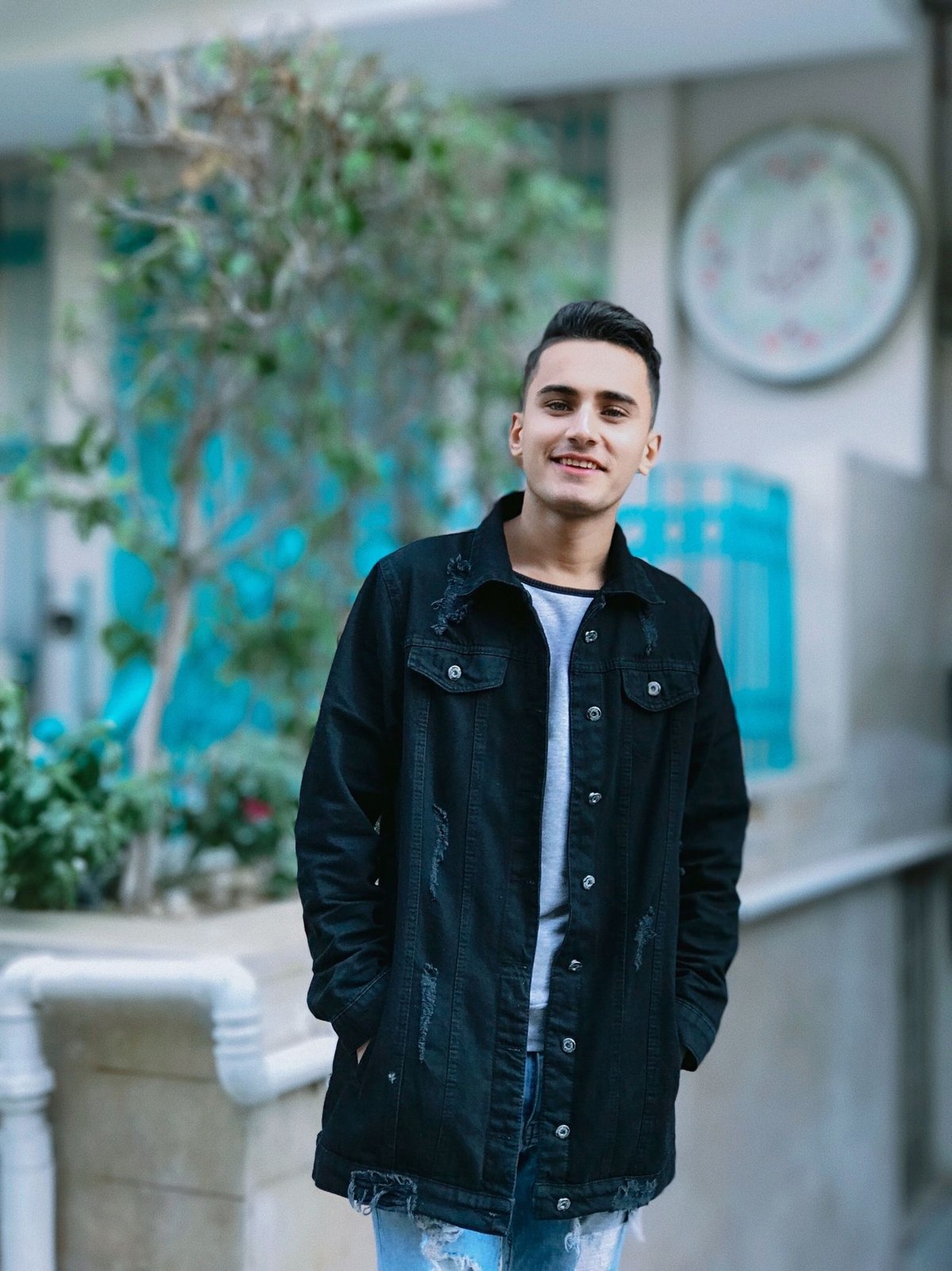
A light jacket can mean a cropped cotton shape, a field jacket or a simple unlined blazer. Each gives the outfit a different outline. Choose according to your day and the conditions, not merely the season name. If rain is expected, check the garment's stated protection rather than assuming every spring jacket is suitable for wet weather.
Try the jacket with a realistic base layer. A piece that fits beautifully over a T-shirt may not accommodate a shirt and knit. Decide whether that extra capacity is useful for your routine. Buying unnecessary room can change the silhouette, but buying too little can leave a jacket usable only on a narrow range of days.
Build the lower half around the length
A shorter jacket makes the waistband more visible, so consider whether the top is tucked and where the trousers sit. A longer jacket can cover that area and create a different division. Neither needs to follow a universal height rule. Look at the actual balance between the jacket hem, trouser rise and length of the visible legs.
Straight jeans or chinos provide a familiar base, while a softly tailored trouser can make the jacket feel more dressed. Avoid changing every element at once. If the jacket is new, begin with trousers and shoes you already understand. This makes it easier to see whether the new piece fits your wardrobe or only looks convincing in isolation.
Keep the removable version complete
Spring afternoons can make a jacket unnecessary even when the morning required it. The shirt or T-shirt underneath should therefore work on its own. Check its length, neckline and relationship to the trousers. A top chosen only for the small area visible inside an open jacket may not create an outfit you enjoy once the jacket comes off.
Use colour to connect rather than duplicate. A blue shirt under olive, cream under navy or grey under tan can all give the jacket a clear setting. Finish with shoes suitable for the route and a bag that does not fight the jacket's pockets or closure. The strongest version is the one that works both worn and carried, not a spring look that depends on a single unchanging temperature.