Underwear & leisure
A simple gym kit without a large wardrobe
Build around the sessions you actually attend, the laundry you can do and the equipment each activity requires.
Count uses before counting garments
A small gym wardrobe starts with a week on the calendar. Note the sessions you realistically attend and the gaps when you can wash and dry clothing. Someone training on consecutive mornings needs a different rotation from someone going twice with several days between visits. There is no useful universal number of tops. The right quantity is enough clean, dry clothing for your schedule without forcing you to rely on a wash that regularly fails to happen.
Separate clothing from activity-specific equipment. This article concerns an ordinary clothing rotation, not the footwear, protection or other equipment required by a particular sport. Follow the venue's rules and seek appropriate guidance when starting an unfamiliar activity. A minimalist wardrobe is not a reason to replace necessary equipment with a garment that merely looks athletic.
Make one outfit work first
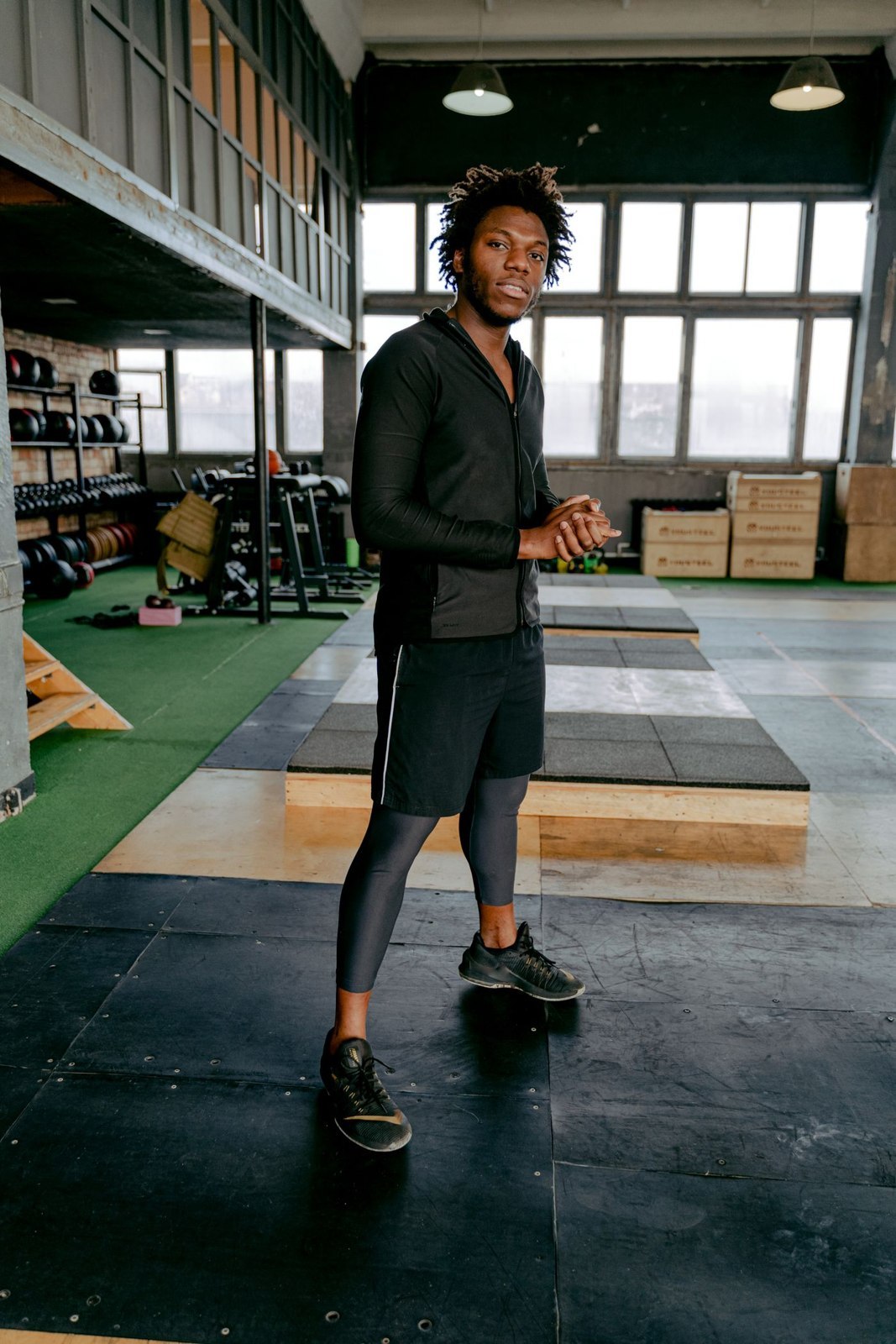
Begin with a top, a suitable lower half and the underwear and socks you prefer for that session. Test movement: reaching overhead, bending and sitting should not expose more than you want or pull a waistband out of place. Check whether shorts ride up or pockets swing when empty. A comfortable outfit during the actual activity is a better basis for a second set than a display of coordinated pieces you have not worn together.
Choose fabric and construction by the conditions you encounter. An airy top may be welcome in a warm room, while a layer for the journey can remain separate from the clothes used during training. Do not buy every garment in the same weight simply to create a matching set. Equally, avoid making performance claims from fibre names alone; the product's construction and your experience of wearing it matter.
If you already own two useful bottoms, alternate compatible tops rather than buying a complete new outfit for every session. Plain colours make that easy, but there is no requirement for everything to be black. A favourite bright top can work with several neutral shorts. The useful form of coordination is that each clean top can be worn with each available bottom without extra planning.
Include the journey and the wash
A clean outer layer makes the trip home easier when the weather changes. Decide where it will go during the session and whether your bag can hold it without crushing other belongings. If you change at the venue, pack the return outfit as a complete group, including socks or underwear when you need them. Remembering those small pieces matters more than adding another decorative training jacket.
Use the care instructions for each item and leave enough time for drying. Keep worn kit separate from the clean change during transport, then unpack it when you return rather than treating the bag as permanent storage. Damp clothing should not remain compressed beside shoes and clean clothes. A simple routine often solves the shortage that otherwise appears to demand another purchase.
Add only the missing capacity
After a few weeks, notice the actual bottleneck. If tops are always unavailable while bottoms remain clean, add a suitable top rather than another full set. If nothing dries before the next session, an extra rotation may be more useful than a specialised item used once a month. Let repeated practical problems identify the purchase.
Keep one list of the pieces that work and retire the items you repeatedly avoid because of fit or irritation. You do not have to create a perfectly matched capsule or limit yourself to an arbitrary total. A small gym wardrobe succeeds when it reliably supports your routine, leaves room for necessary equipment and does not make laundry or packing more complicated than the activity itself.