Shoes & accessories
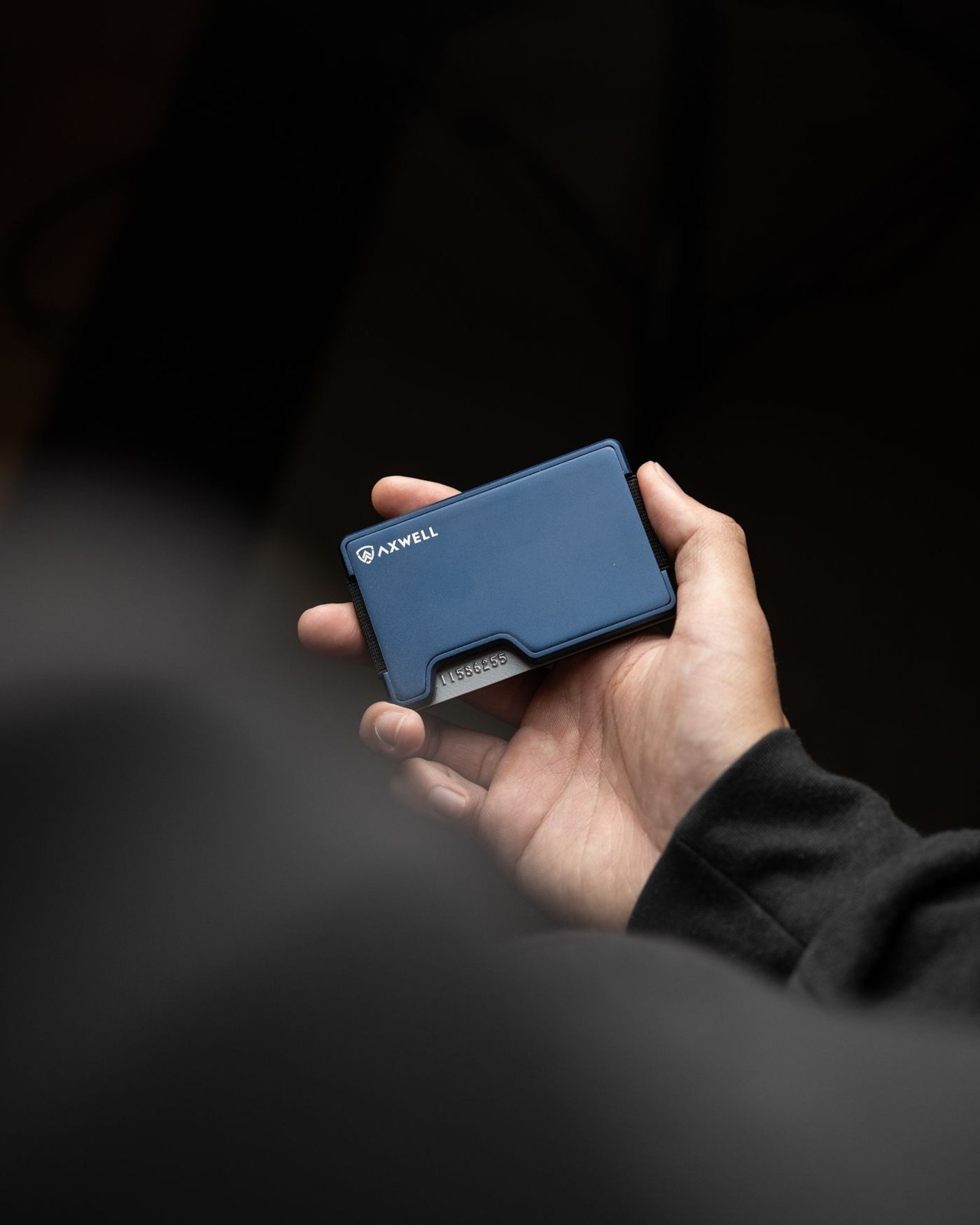
A compact wallet that does not distort pockets
Reduce the contents before deciding whether you need a smaller wallet.
An inventory is more useful than a product category
Empty your current wallet onto a table. Separate items used every day from old receipts, duplicate cards and things carried only because they have always been there. A smaller wallet will not remain slim if it inherits the same unnecessary contents. Decide what you need to carry physically and what can stay safely elsewhere before comparing shapes.
Cash requirements matter. A cardholder may suit someone who rarely uses notes, but it can be frustrating if cash is part of your normal routine. Coins need their own consideration. A tiny pouch attached to an otherwise slim wallet may become its thickest section. Choose around actual transactions rather than an idealised idea of carrying almost nothing.
Measure the pocket where the wallet will usually live. Front trouser pockets, inner jacket pockets and a bag compartment have different openings. A rigid card case can be slim yet awkward in a narrow curved pocket. Try the shape with your clothes when possible, and sit down to check that the object does not press into you.
Look at the wallet from the side when filled. Several overlapping layers of leather can create thickness even before cards are added. This is not necessarily a defect, but it may conflict with your reason for changing wallets. Product photographs of empty interiors do not show the final outline, so capacity and construction should be considered together.
Keep access straightforward
The card or pass used most often should be reachable without emptying the whole wallet. At the same time, it should remain held when the wallet is tilted or removed quickly. Test the closure and slots gently. An unusually tight slot may become inconvenient, while a loose one can fail to hold a smaller item securely.
Do not treat a slim wallet as a reason to overfill a trouser pocket with other objects. Keys, a phone and a wallet can create a bulky shape together even if each is compact. Distributing the contents between suitable pockets or a small bag may solve the problem more effectively than buying a succession of thinner wallets.
Review the contents occasionally and remove receipts you no longer need. A simple maintenance habit preserves the benefit of the smaller format. Choose a material and closure you enjoy handling, but avoid unverified security claims as the main reason to buy. The wallet's first job is to carry your necessary items in a form that works with your day.