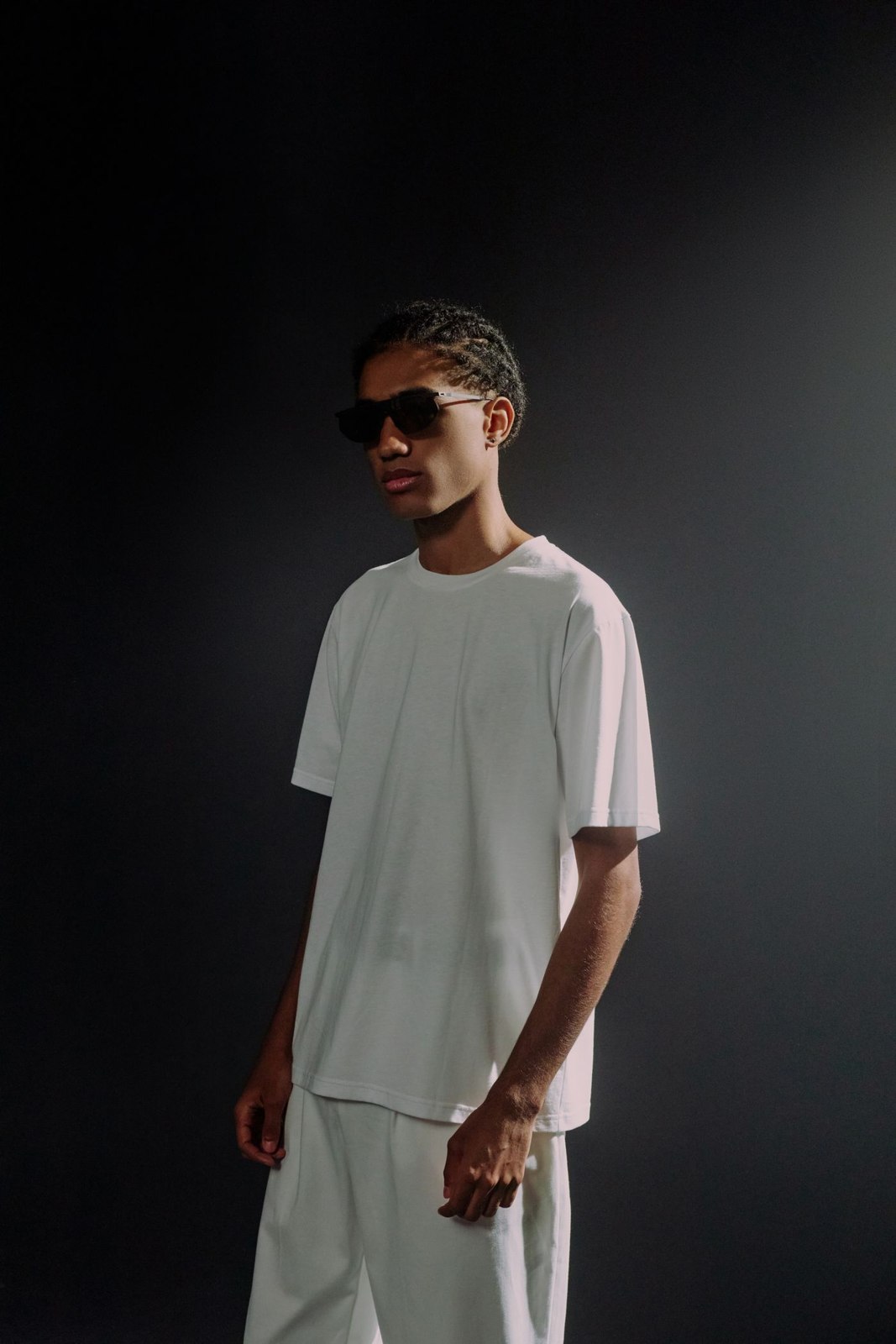
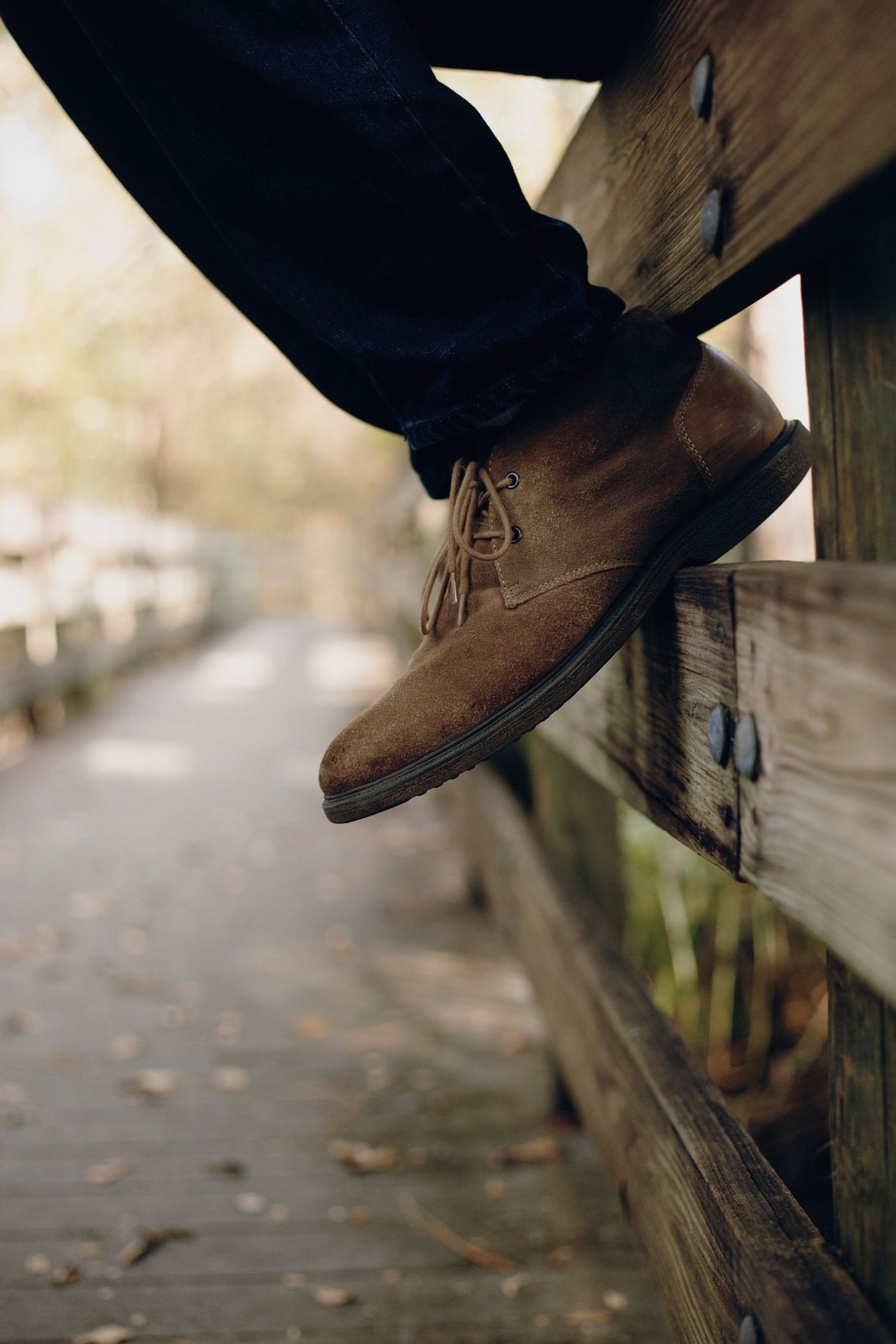
Outfits
What to wear to a casual office
Read the working environment, then build a repeatable outfit that handles both the desk and the rest of the day.

Casual does not describe every workplace
The same phrase can mean jeans and trainers in one office and a collared shirt with tailored trousers in another. Look at the actual environment, including people whose work resembles yours. A photograph from a company party tells you less than a normal working day. If you are new, asking a colleague what people usually wear is more reliable than interpreting a vague label.
Consider what your role involves. Client meetings, workshop visits and long periods at a desk may require different choices even within the same organisation. Any safety or uniform requirements come before styling advice. Do not assume that the most casually dressed person sets the standard for every situation or that seniority makes someone else's wardrobe a useful model for yours.
A base you can repeat
Straight chinos or dark jeans, a plain shirt and comfortable shoes provide a flexible starting point where those pieces are accepted. The shirt can be an Oxford, a polo or a simple knit depending on the room. Choose clothes that fit while seated. A waistband that feels fine for a two-minute mirror check can become distracting during several hours at a desk.
Keep a layer available if the temperature changes. A cardigan or soft overshirt is easy to remove without leaving the outfit looking incomplete. If you regularly need a blazer, select trousers and shoes that work with it rather than leaving an unrelated formal jacket on the back of your chair. The added layer should feel like part of the same wardrobe.
Two versions of the working wardrobe
For a day spent mainly at your desk, navy chinos with a grey sweatshirt and plain trainers may be appropriate in a relaxed workplace. If a meeting needs more structure, the same trousers could take a blue shirt and a soft jacket. Keeping the lower half consistent makes the adjustment easier, but only if the shoes also suit the second setting. A blazer alone does not change every other garment.
A second version might start with dark jeans and a cream crew neck. An overshirt adds a casual layer; a simple coat handles the journey. This may suit a day without external meetings. The point of two versions is to cover recurring situations, not to rank colleagues by how formally they dress.
When buying a missing piece, name the situation it will serve. If you cannot identify a day when it improves on what you own, it may not fill a real gap. Keep a note of successful combinations after wearing them for a full day. That record of fit, temperature and movement is more informative than outfits photographed on people with different routines.
Make the maintenance realistic
An office outfit has to survive your routine. If you cycle, carry a backpack or walk in rain, account for those facts before buying delicate shoes or a coat that cannot cover your work layers. A change of top may be useful after an active commute. A bag that keeps the shirt folded separately can matter more than another dressier accessory.
Rotate a few combinations instead of trying to create a different identity each morning. Two trousers and several tops can offer enough variation when their lengths and colours work together. Keep the pieces that genuinely cooperate, and note the ones that always need adjustment. Repetition is not a problem in a working wardrobe; persistent discomfort and clothes that never suit the actual day are better reasons to change it.