Outfits
Dressing for a job interview in a creative office
Show that you understand the setting without turning your clothing into an untested performance.

Research the working day, not a stereotype
Creative office does not describe one dress code. A design studio, an architecture practice and an in-house media team may work quite differently. Read any interview instructions and look for ordinary workplace photographs rather than relying on a generic idea of creative people wearing trainers. If the recruiter is available, a direct question about the expected level of dress is entirely reasonable.
Consider the interview format. A portfolio presentation across a table, a studio tour and a video call create different practical needs. Your clothes should let you sit, move and handle materials easily. If a site visit involves specific protective equipment or footwear, follow the organiser's instructions rather than treating that part of the day as a styling opportunity.
Choose a clear, comfortable baseline
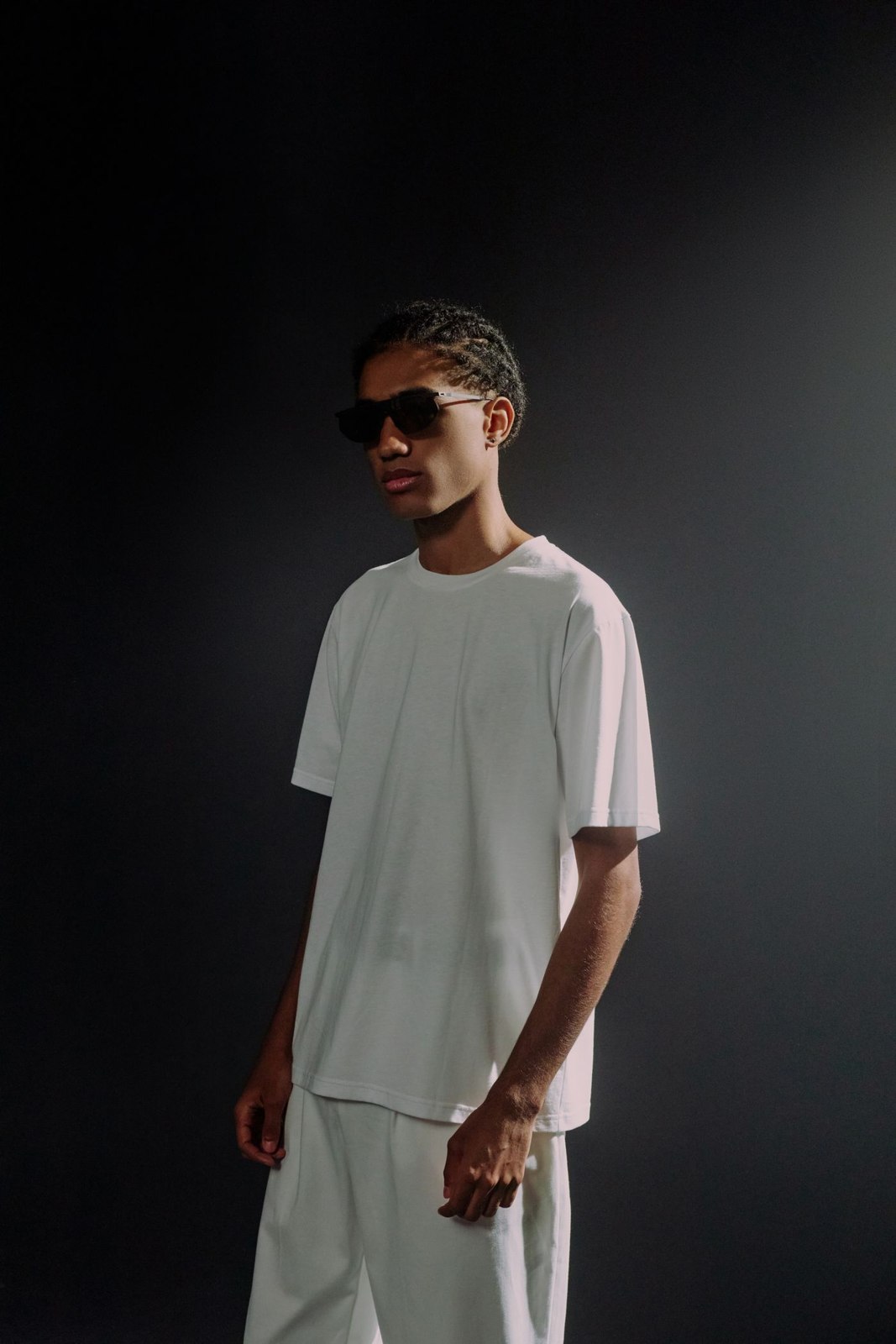
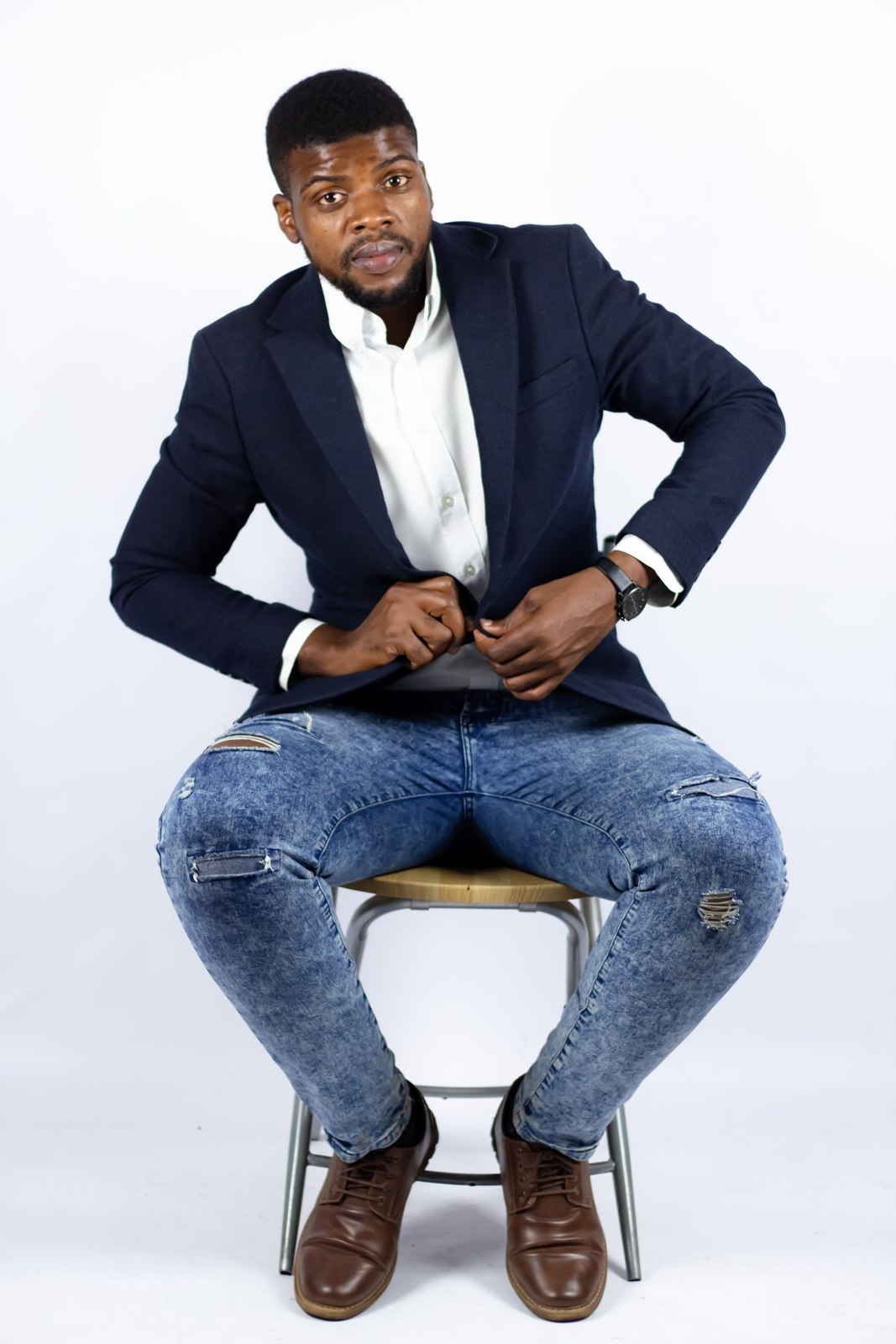
A plain shirt or fine knit with well-fitting trousers is a useful place to start. Add a soft jacket if it fits the environment and you are comfortable wearing it. There is no need to buy a conspicuously fashionable piece to signal that you belong in a creative field. Your work and conversation can communicate your interests more precisely than an unfamiliar garment.
Keep the outfit coherent with your normal style, but check its condition carefully. A favourite shirt with a collapsing collar may not be the best version of that preference. Shoes should be clean and suitable for the journey. A bag that holds documents or a device without bending them can contribute more to a calm arrival than another accessory.
Test the seated version
Sit in front of a mirror or record a brief practice answer. Look for a collar that shifts, a shirt that pulls across the buttons and sleeves that interfere when you gesture. This is not about policing every fold. It is about finding anything that will make you keep touching your clothes when you want to concentrate on a question.
For a video interview, check the actual camera view and lighting. A pattern that looks pleasant in person may become visually busy on screen. The visible neckline should sit comfortably, and the rest of the outfit should allow you to stand if needed without concern. Do not rely on a carefully arranged upper half that only works while motionless.
Bring the materials into the fitting
If you will present a physical portfolio, carry it while testing the outfit. Check whether the jacket lets you hold it comfortably and whether the bag contains everything without loose papers. A laptop case should fit without forcing the bag out of shape. These details affect how calmly you begin, even though they are absent from most outfit photographs.
A studio tour may involve stairs, standing and carrying belongings for longer than a seated interview. Choose footwear you can walk in confidently and a coat that remains manageable when removed. Ask ahead about special requirements rather than guessing from the word studio. A workshop, office and client presentation space can belong to the same organisation.
For a remote interview, place materials within reach before testing the camera. Reaching repeatedly out of frame can disturb clothing and concentration. When screen sharing, the outfit becomes less prominent while the work takes over. That is a useful reminder of its supporting role. Prepare enough that you can stop thinking about clothes once the conversation begins.
Prepare before the morning
Lay out the complete combination, including socks and outerwear, early enough to address a missing button or dirty shoe. Check the route and weather so you are not choosing between arriving soaked and carrying an unsuitable coat. If you expect to change after an active journey, allow time and use a place where that can be done without rushing.
The aim is not to appear more senior, wealthier or more unconventional than you are. Clothing should support an attentive conversation and show regard for the occasion. Once the fit and setting are covered, spend the remaining preparation time on your work, questions and examples. A carefully considered outfit is useful; it cannot substitute for understanding the role or explaining what you can contribute.