Outfits
Choosing clothes for a family photograph
Coordinate the overall feeling without turning everyone into a matching set.
Agree on the setting first
Clothes that look natural in a garden may feel out of place in a formal indoor portrait. Confirm the location, likely weather and how much moving around is involved. If a photographer is organising the session, ask for any specific guidance they use. Their knowledge of the background and lighting is more useful than a universal rule that everyone must wear white shirts.
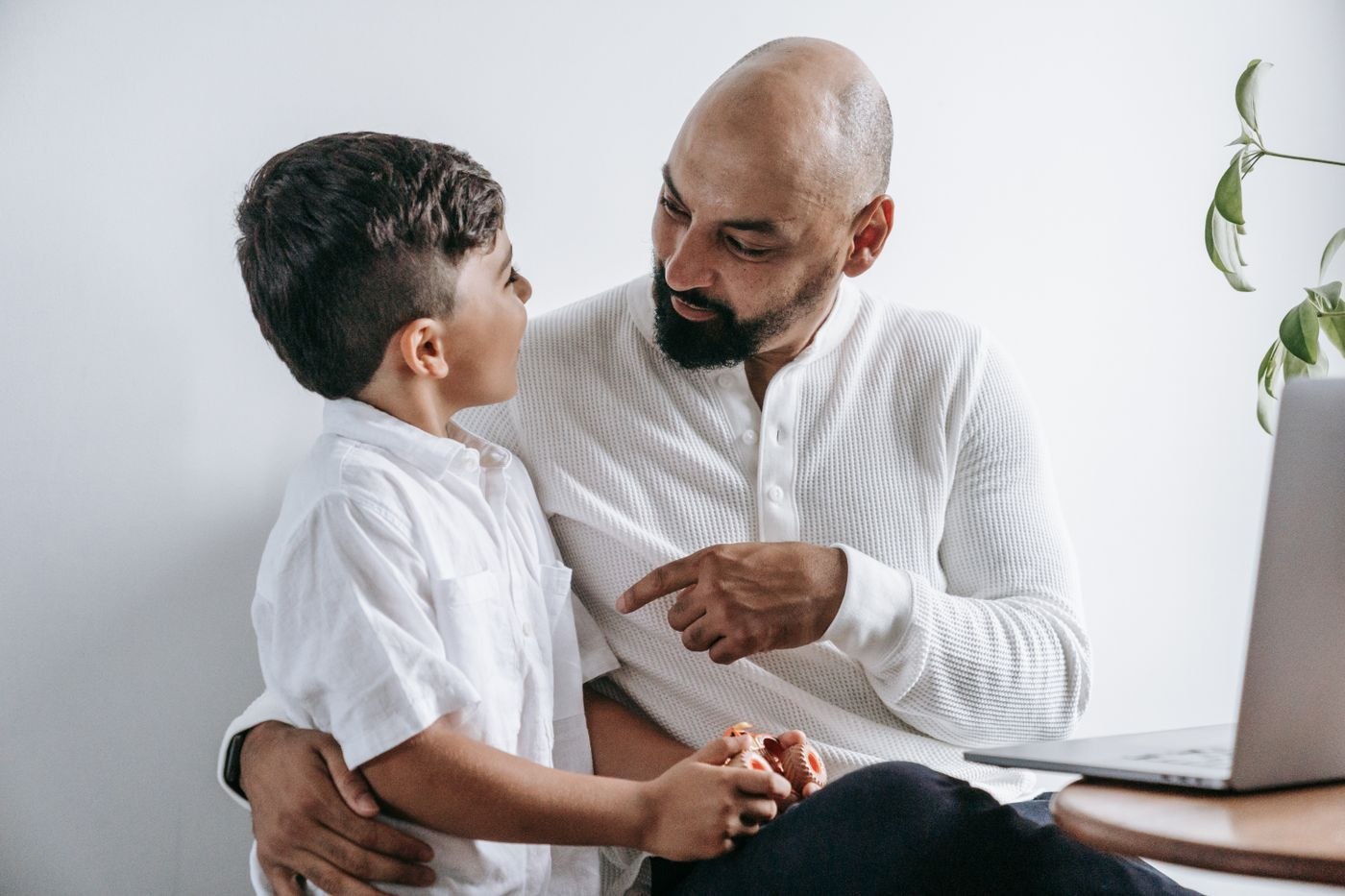
Aim for a similar degree of formality across the group rather than identical garments. One person in a suit and another in beachwear can create an unintended contrast. You do not all need the same colour, but it helps to discuss whether the photograph should feel casual, dressed or somewhere between the two.
Choose a connected palette
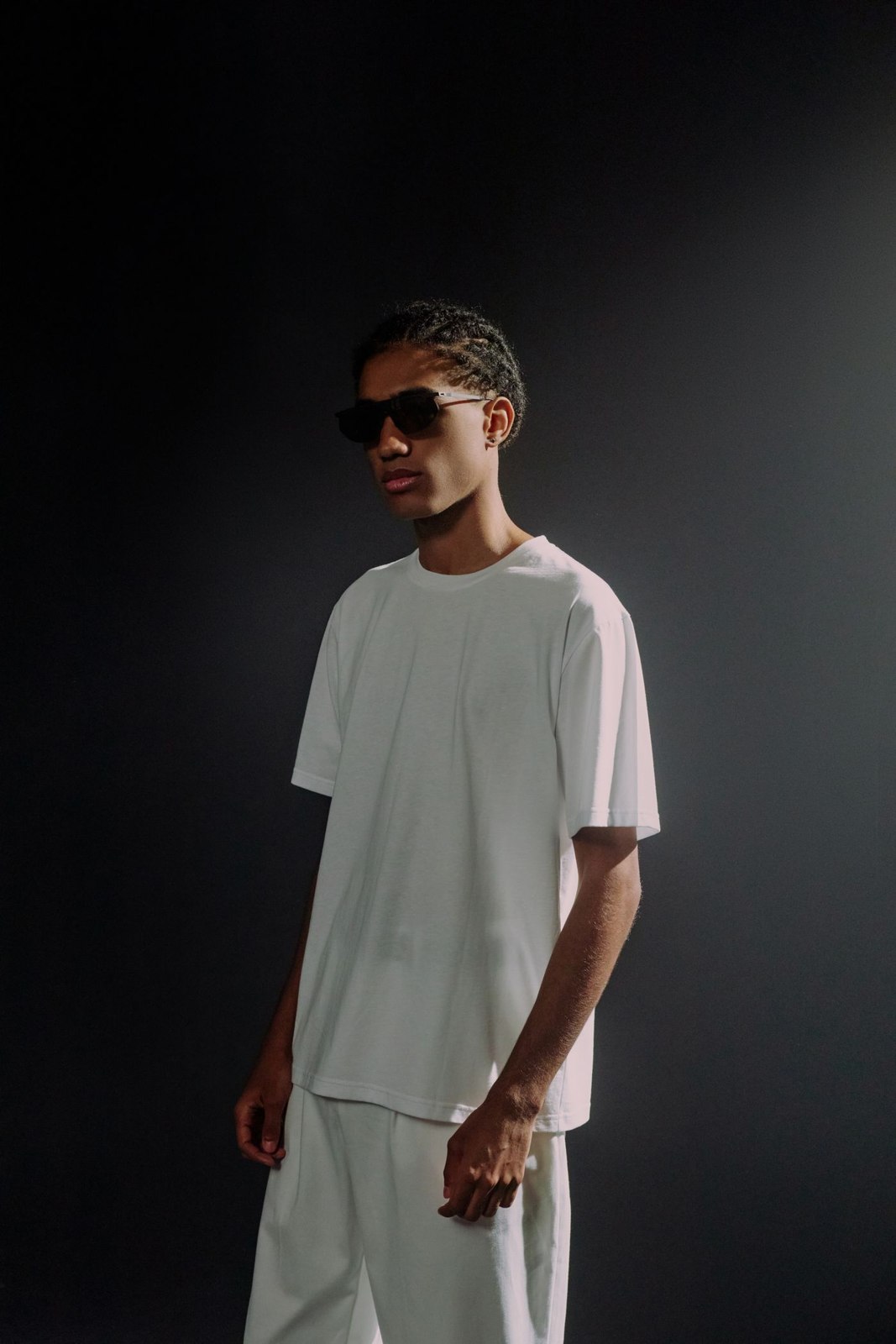
A few related colours allow individual outfits to remain distinct. Navy, cream, muted blue and brown offer one possible range; warmer earth colours offer another. Work with clothes people already own and like. Forcing every person into a particular shade can produce uncomfortable purchases and an artificial result, especially when the tones almost match but not quite.
Large logos, bold text and strong high-contrast patterns draw attention. That may be appropriate if they are part of the intended portrait, but decide consciously. A subtle texture or smaller pattern can add interest without becoming the main subject. Look at the group together if possible, since one garment that seems quiet alone may stand out beside everyone else's plain clothes.
Coordinate people, not just garments
Give everyone time to try their clothes, especially children or relatives travelling from elsewhere. A broad palette is easier than one exact shade. Share the intended level of dress but leave room for personal preferences. Someone who dislikes a collar should not spend the session pulling at one solely for visual consistency.
If several households take part, ask each to describe the planned colours. This may reveal one bright figure in an otherwise muted group. Decide whether that contrast is welcome before the session. It is unnecessary to replace everyone's clothes when one adjustment would bring the group together.
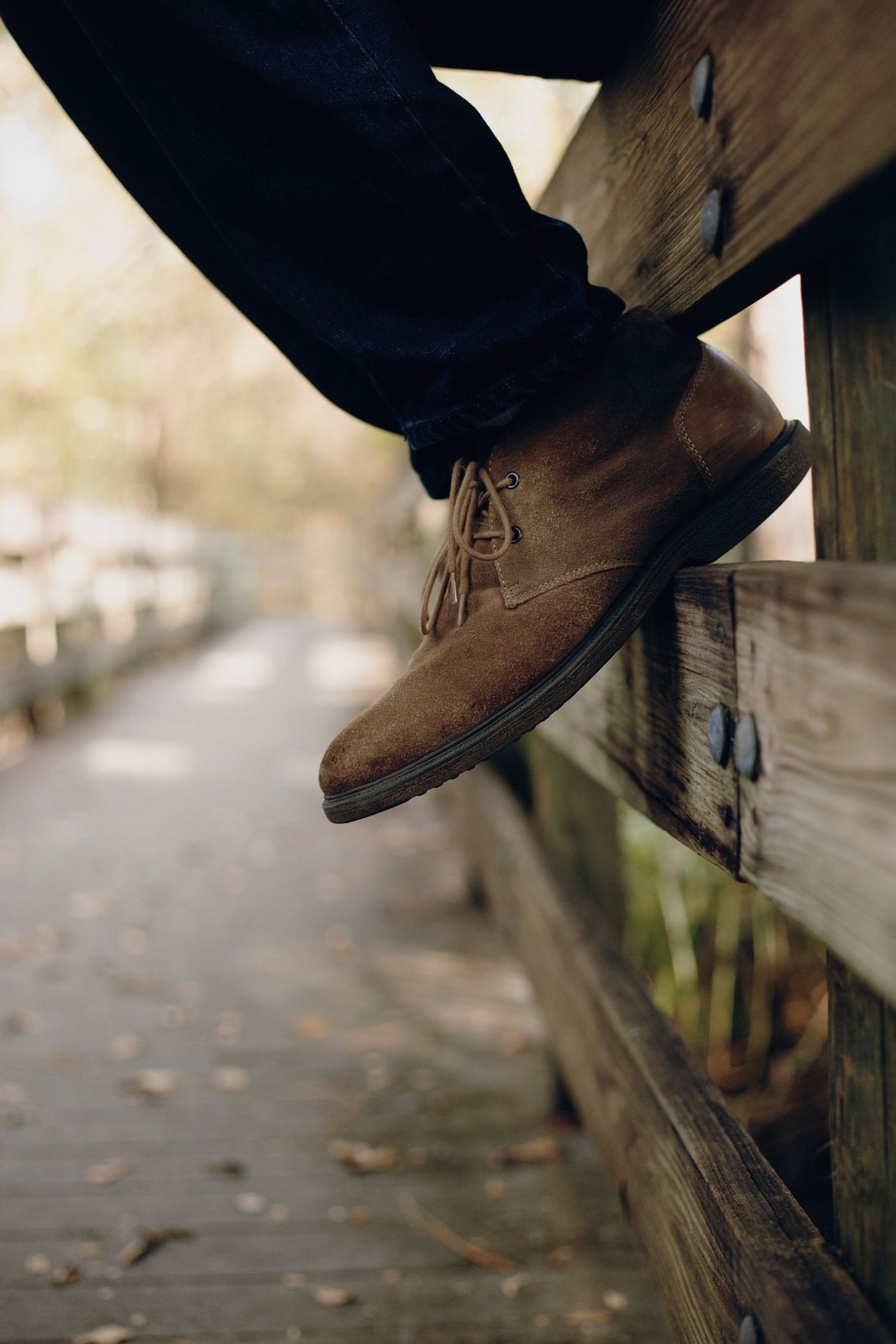
For outdoor photographs, prepare a waiting layer that can be removed briefly and kept nearby. Do not require people to remain cold to preserve the appearance between photographs. Shoes should suit the ground and the person. Restricted movement can make natural interaction harder.
If the photograph happens at a family gathering, consider whether the clothes work for the rest of the event. A change of top may be easier than a complete portrait-only outfit. Shared planning should reduce stress, not make the photograph the day's most demanding activity.
Test movement and seated positions
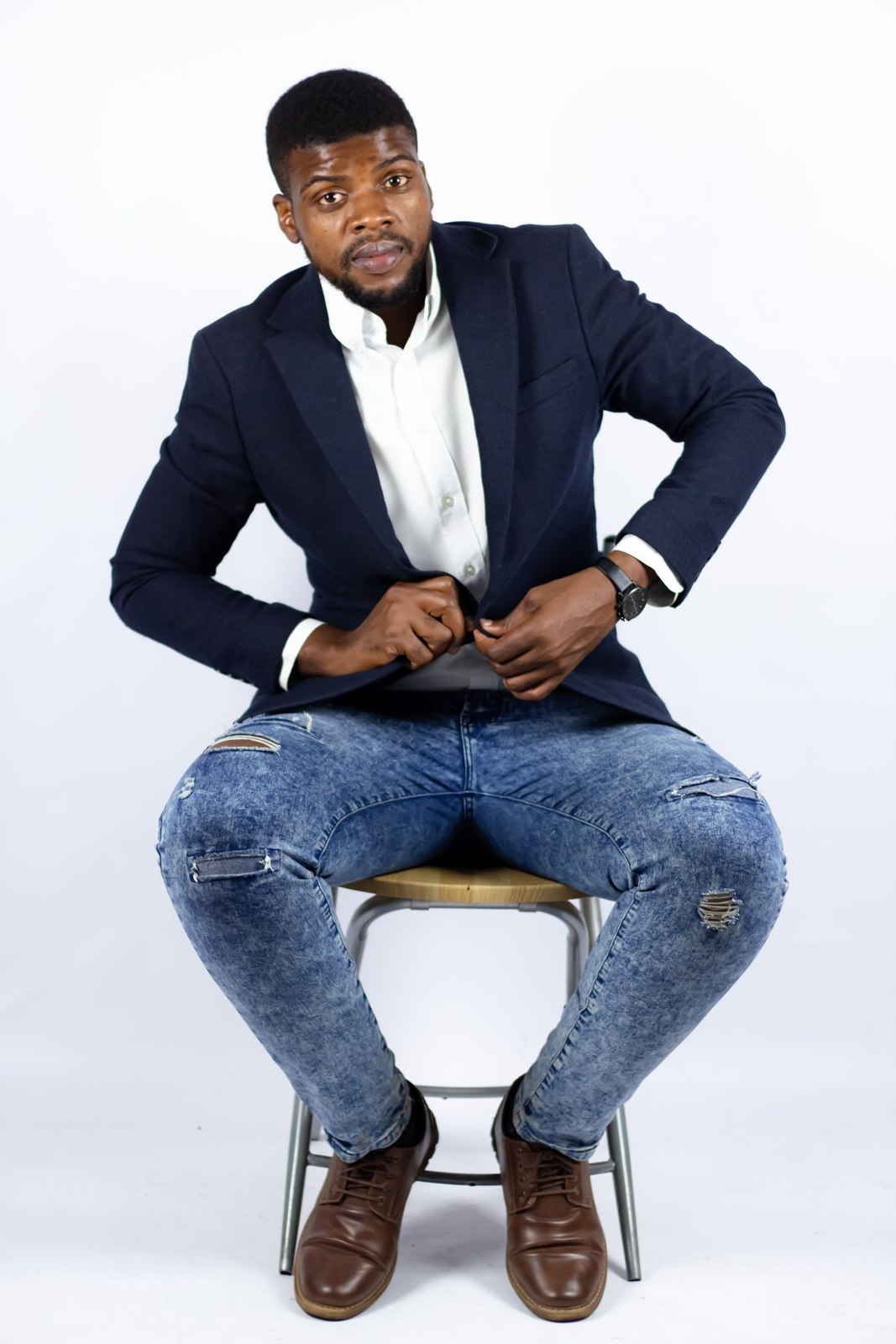
Try sitting, turning and putting an arm around someone in the chosen outfit. Shirts can pull at the buttons, jackets can rise and trousers can reveal more sock than expected. These are ordinary movements in family photographs. Choose clothes that accommodate them rather than planning to hold an uncomfortable pose throughout the session.
Include shoes in the plan even if you expect mostly upper-body photographs. The composition may change, and unsuitable footwear can limit where you stand. Keep a weather layer available for waiting, particularly if the session is outdoors. Clean and prepare the clothes beforehand, but do not chase a completely crease-free result at the expense of comfort. A family photograph can look coordinated while still showing people as themselves.